Magnesium-Rich Foods During Pregnancy: Seeds, Beans, and Greens
How much magnesium during pregnancy: NIH daily amounts (350–360 mg for adults), top food servings, and the 350 mg supplement upper limit.
Magnesium supplementation is also helpful for skeletal development of the fetus and, in certain high-risk preterm situations, can protect the baby from neural damage.
SingleCare: Magnesium During Pregnancy Read the original source
The short answer: The most magnesium-rich everyday foods for pregnancy are seeds, nuts, beans, and leafy greens. The NIH magnesium food table lists 156 mg in 1 ounce of roasted pumpkin seeds, 111 mg in 1 ounce of chia seeds, and 80 mg in 1 ounce of dry-roasted almonds. The NIH pregnancy review lists a daily recommended amount of 350 mg at ages 19–30, 360 mg at ages 31–50, and 400 mg for pregnant teens. These are whole-day references, not amounts to get from one food or supplement.
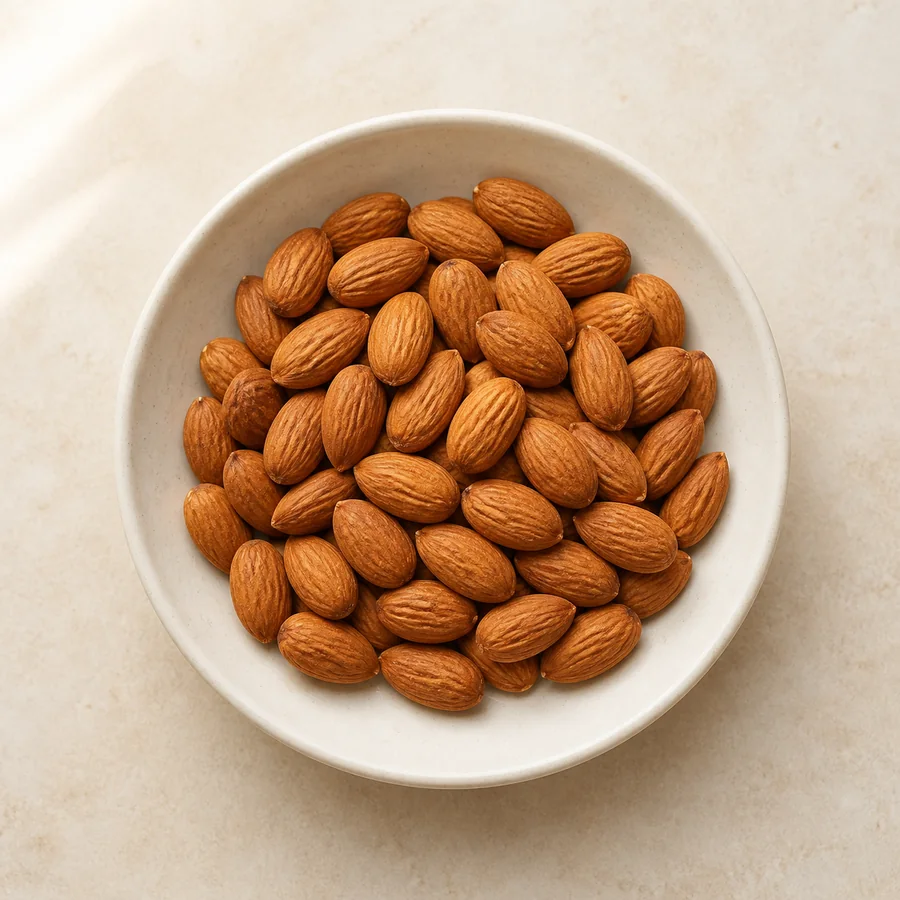
How much magnesium is in a serving?
The NIH magnesium food table gives these examples for the food and portion named:
| Food | Portion | Magnesium |
|---|---|---|
| Roasted pumpkin seeds | 1 ounce | 156 mg |
| Chia seeds | 1 ounce | 111 mg |
| Dry-roasted almonds | 1 ounce | 80 mg |
| Dry-roasted cashews | 1 ounce | 74 mg |
| Boiled spinach | ½ cup | 78 mg |
| Cooked black beans | ½ cup | 60 mg |
| Cooked brown rice | ½ cup | 42 mg |
A meal with beans and brown rice, or a small serving of seeds alongside another food, can help you build intake across the day. These examples are different portion sizes, and brands and preparation can change the numbers. If you choose fortified cereal, check its package label. For a nut snack, see our cashews guide. For more ideas with beans and whole grains, see our fiber-rich food guide.
PregNut's food lookup does not currently calculate magnesium. Use the NIH food table above for magnesium amounts; the absence of magnesium on a PregNut food page does not mean the food contains none.
Do I need a magnesium supplement?
Check the serving size and magnesium amount on your prenatal before adding another product. NIH reports that there is no specific professional recommendation for routine magnesium supplementation during pregnancy, even though some people may not get enough from food.
The 350 mg daily upper limit applies to magnesium from supplements and medications, including some antacids and laxatives. It does not apply to magnesium naturally present in foods. The NIH magnesium fact sheet explains this difference and notes that excess supplemental magnesium can cause diarrhea, nausea, and cramping. Ask your prenatal clinician before adding magnesium, particularly if you take medications or have kidney disease. A food list cannot diagnose a deficiency or determine whether a supplement will treat a symptom.
Common questions
How much magnesium should a pregnant woman take?
NIH lists 350 mg per day at ages 19–30, 360 mg at ages 31–50, and 400 mg for pregnant teens as the recommended amounts from food and supplements combined. That is a whole-day target, not a single-pill dose. NIH also reports there is no specific professional recommendation for routine magnesium supplementation in pregnancy—check your prenatal and ask your clinician before adding more.
What magnesium is safe during pregnancy?
Food magnesium does not have the same upper limit as pills. The NIH magnesium fact sheet applies the 350 mg daily upper limit to magnesium from supplements and medications (including some antacids and laxatives), not to magnesium naturally present in food. Excess supplemental magnesium can cause diarrhea, nausea, and cramping.
Sources: NIH pregnancy supplement review, NIH magnesium food table, and NIH magnesium consumer fact sheet. This guide is educational and does not replace prenatal care.