Top Foods
Rank foods by any nutrient, from whole foods or fortified ones.
Open Top FoodsClear, source-linked food guidance for every stage of pregnancy.
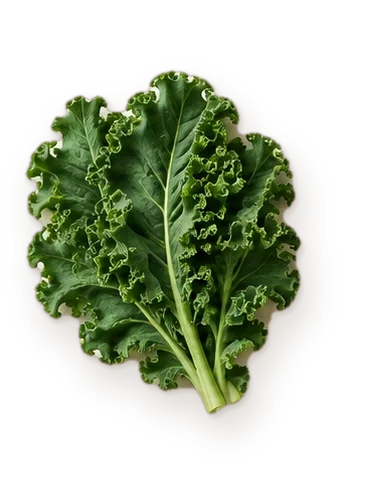


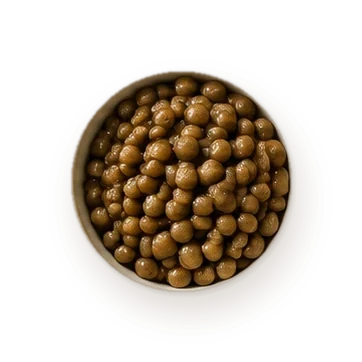



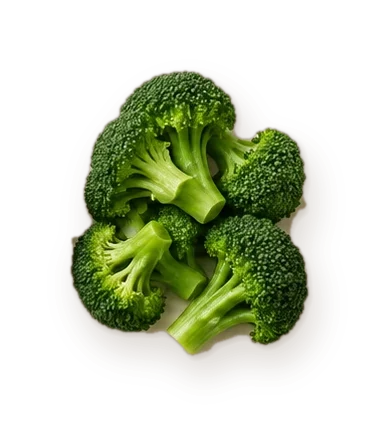

Every value is per 100 g. See what 100 g looks like.
Rank foods by any nutrient, from whole foods or fortified ones.
Open Top FoodsSee which nutrients matter at your stage, and the foods richest in them.
Open Weekly GuideDaily reference amounts for pregnancy, mostly from the NIH. Your care team can tailor them to you. Browse all guides
Food safety: what to check before you eat · eggs · sprouts · deli meat · soft cheese · juice · caffeine · morning sickness
 Reference amount1000 mg
Builds and maintains bones and teeth, including the developing baby's skeleton.
 Reference amount450 mg
Helps form cell membranes and supports fetal nervous system development.
 Reference amount0.3 g
An omega-3 fatty acid involved in fetal brain and eye development. PregNut's 300 mg amount is a comparison benchmark, not a U.S. RDA for DHA.
 Reference amount600 mcg
Folate supports cell division. Folic acid taken before and early in pregnancy helps prevent neural tube defects.
 Reference amount220 mcg
Needed to make thyroid hormones that support fetal brain development.
 Reference amount27 mg
Helps red blood cells carry oxygen to the pregnant person and developing baby.
 Reference amount2900 mg
Supports normal cell function, fluid balance, and nerve and muscle activity.
 Reference amount70 g
Supplies amino acids for maternal and fetal tissue growth. PregNut's 70 g amount is a comparison benchmark; individual needs vary.
 Reference amount1.4 mg
Helps turn food into energy and supports cell growth and function.
 Reference amount1.9 mg
Helps the body use protein and supports nervous system development and function.
 Reference amount2.6 mcg
Supports nerve function, red blood cell formation, and DNA synthesis.
 Reference amount85 mg
Helps make collagen and improves absorption of iron from plant foods.
 Reference amount600 IU
Helps the body absorb calcium and supports bone development.
 Reference amount11 mg
Supports cell growth and metabolism, including fetal growth and development.