Vitamin D Foods During Pregnancy: Fish and Fortified Drinks
A practical comparison of vitamin D food sources during pregnancy, plus what to check on fortified-food and prenatal labels.
The majority of people can get their vitamin D from nutritional supplements and from vitamin D-fortified foods.
Yale Medicine: Vitamin D Myths 'D'-bunked Read the original source
The short answer: The pregnancy recommended dietary allowance for vitamin D is 15 mcg (600 IU) daily. Few foods naturally contain much vitamin D. Fatty fish can help; fortified milk, plant drinks, and some cereals may also contribute. Check the current package label because fortification varies. These points come from the NIH vitamin D fact sheet and ACOG's pregnancy guide.
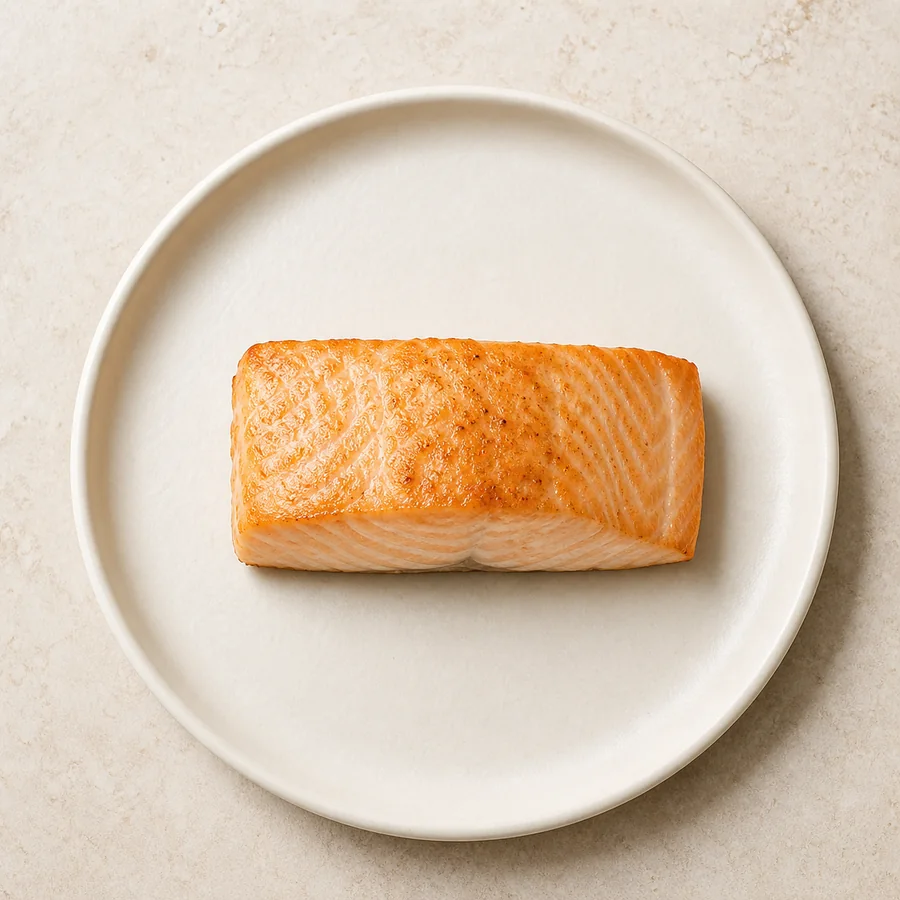
Compare the food, then check your portion
PregNut lists vitamin D in IU per 100 g, which is a consistent comparison amount rather than a suggested serving:
- Cooked sockeye salmon: 670 IU. If eating fish, follow the FDA/EPA pregnancy fish advice for species and weekly amounts, and cook it thoroughly.
- Soy milk with added vitamins A and D: 43 IU in this particular database entry. Another brand may have a different amount; its label is the better source for what is in your glass.
- Hard-boiled egg: 87 IU. The 100 g value covers more than one typical egg, so do not read it as an amount per egg.
Use PregNut's food lookup for other comparisons. Vitamin D works with calcium from foods and supplements to support bone health, but the chart cannot measure your vitamin D status. Vitamin D stays a supporting highlight in our weekly guide through the final weeks, 37–40.
Should I add a vitamin D supplement?
First check the serving size and vitamin D amount on your prenatal label. If your clinician suspects deficiency, they can decide whether testing or an additional supplement makes sense. NIH's pregnancy review notes that professional recommendations on extra vitamin D differ and that evidence for preventing pregnancy complications is mixed. Do not treat a larger dose as a proven way to prevent those outcomes.
Sources: NIH vitamin D fact sheet, NIH pregnancy supplement review, ACOG healthy eating during pregnancy, and FDA/EPA fish advice. This guide is educational and does not replace prenatal care.