Calcium Without Dairy During Pregnancy: Foods and Labels
How to compare nondairy calcium foods during pregnancy, including fortified soy milk, sardines with bones, and calcium-set tofu.
Non-dairy milk needs to be properly fortified in order to be a good source of calcium, vitamin D and protein.
Houston Methodist: How Important Is Milk in a Well-Balanced Diet? Read the original source
The short answer: You can get calcium without dairy. Fortified drinks, calcium-set tofu, canned fish with edible bones, and some vegetables can all contribute. The NIH pregnancy reference is 1,000 mg per day for ages 19–50 and 1,300 mg for ages 14–18. Your usual portions and the rest of your diet matter more than one high-ranking food. Calcium is also among the highlights in our guide to weeks 33–36.
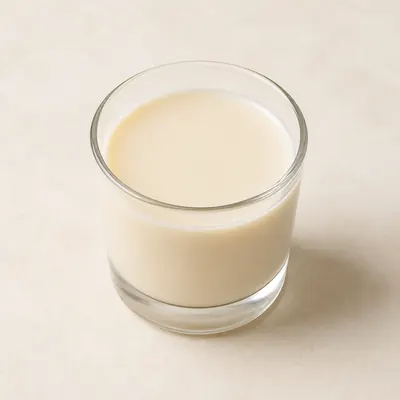
Three nondairy comparisons
These are entries in PregNut's USDA-based food data, each measured per 100 g. They are examples, not interchangeable serving sizes:
- Canned Atlantic sardines, drained, with bones: 382 mg calcium. The edible bones matter; a boneless fish entry is different. Sardines are among the FDA/EPA lower-mercury choices.
- Soy milk with added calcium and vitamins A and D: 123 mg calcium. Fortification varies by product, so check the carton instead of assuming every soy milk matches this entry.
- Soft tofu prepared with calcium sulfate and nigari: 111 mg calcium. Tofu made with a different coagulant may contain much less.
Vegetables such as kale and broccoli contribute too. NIH notes that calcium absorption differs among foods: spinach may look substantial on a nutrient chart, but much less of its calcium is absorbed. Compare the food you actually buy and eat, then use the food lookup to estimate its contribution.
What if my prenatal contains calcium?
Read the Supplement Facts serving size and calcium amount. NIH reports that prenatal products often contain relatively little calcium. A prenatal label does not tell you how much you get from meals, and a 100 g food comparison cannot diagnose a shortfall. If you avoid dairy or several other calcium sources, bring a typical day's foods and your prenatal label to your clinician or dietitian before adding a separate supplement. Vitamin D also helps calcium absorption. If dairy is absent from your diet, check iodine sources and riboflavin foods too.
Sources: NIH pregnancy supplement review, NIH calcium fact sheet, ACOG healthy eating during pregnancy, and FDA/EPA fish advice. This guide is educational and does not replace prenatal care.