Folate Foods and Folic Acid During Pregnancy
Compare folate in everyday portions of spinach, lentils, and avocado, and learn how food folate differs from folic acid on prenatal and cereal labels.
Folic acid is most important during the first month of pregnancy, when most women don’t even realize they’re pregnant.
Akron Children's: Healthy Preconception Diet Read the original source
The short answer: Eat a variety of folate-containing foods and follow your clinician's advice about a prenatal vitamin with folic acid. ACOG recommends a daily prenatal with at least 400 micrograms of folic acid starting before pregnancy when possible and during the first 12 weeks. Folic acid has the clearest evidence for preventing neural tube defects; food is still an important part of overall nutrition.
What is the difference between folate and folic acid?
Folate is the name for forms of this B vitamin in food. Folic acid is a form used in many supplements and fortified foods. The terms are related, but a food's folate number and a supplement's folic acid number should not be treated as interchangeable without reading the units and label. NIH explains folate and folic acid and the different label conventions.
NIH lists 600 mcg DFE per day as the pregnancy folate reference. That total-folate measure is different from ACOG's recommendation for at least 400 mcg of folic acid in a daily prenatal before and during early pregnancy. Do not compare those two numbers as if they were the same unit and form.
On a Supplement Facts panel, look for Folate in mcg DFE and any folic acid amount in parentheses. FDA explains this label format. Our prenatal label guide shows how to read those numbers alongside the serving size.
Which foods contribute folate?
Leafy greens, beans, peas, asparagus, and avocado can contribute folate. Some grain products and breakfast cereals are fortified with folic acid; check their Nutrition Facts labels, or see our breakfast cereal guide. Use PregNut's food lookup to compare options by 100 g, then consider the serving you actually eat. A ranking does not tell you whether a food replaces a prenatal.
Compare food folate in familiar foods
PregNut's USDA-based data reports folate as micrograms of dietary folate equivalents (mcg DFE) per 100 g:
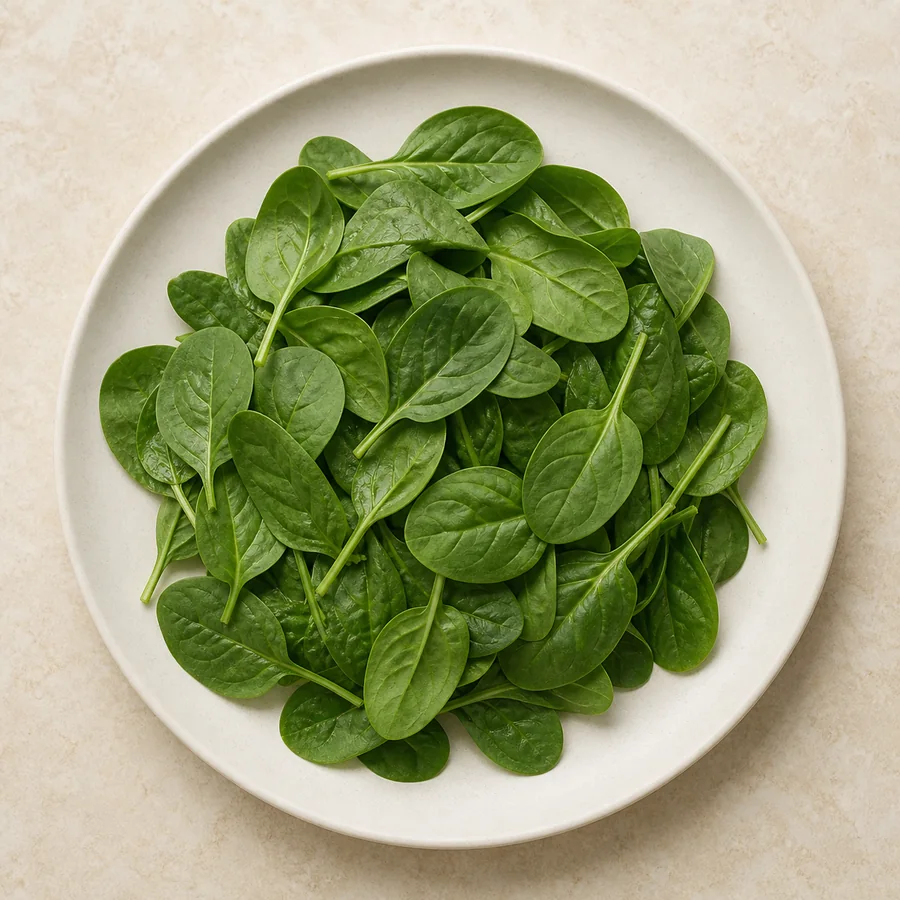
- Raw spinach: 194 mcg DFE.
- Boiled lentils: 181 mcg DFE.
- Raw avocado: 81 mcg DFE.
DFE accounts for differences in absorption between natural food folate and added folic acid. These food figures should not be read as a substitute for the folic acid recommendation or as typical serving amounts.
What do everyday portions provide?
| Food as prepared | Portion | Approximate folate |
|---|---|---|
| Raw spinach | 1 cup | 58 mcg DFE |
| Boiled lentils | ½ cup | 179 mcg DFE |
| Raw avocado | ½ cup sliced | 59 mcg DFE |
The NIH folate food table provides the spinach and avocado portions. The lentil estimate uses PregNut's 181 mcg DFE per 100 g and the USDA's 198 g per cooked cup, so ½ cup is about 99 g. These are food-folate comparisons, not amounts of added folic acid. Actual servings and preparation can differ.
Common questions
Can I use folate-rich foods instead of a prenatal vitamin?
Do not assume so. ACOG notes that getting enough folic acid from food alone is difficult and recommends a prenatal supplement. If a prenatal causes side effects or you have trouble taking it, ask your clinician about alternatives.
When should I start folic acid?
ACOG advises starting at least one month before pregnancy when possible. If you are already pregnant, discuss starting or continuing your prenatal with your care team now; there is no reason to delay while trying to perfect your diet.
Is a fortified cereal the same as a serving of spinach?
They may contain different forms and amounts of the vitamin, and portions differ. On a fortified cereal's Nutrition Facts panel, read Folate in mcg DFE and, if folic acid was added, folic acid in mcg in parentheses. The general food-label %DV uses 400 mcg DFE, while the pregnancy folate reference is 600 mcg DFE. The folic acid amount in parentheses answers a different question than either percentage. FDA explains the label format.
What if I have had a pregnancy affected by a neural tube defect?
This calls for individualized care. ACOG describes a different folic acid plan for people with that history; do not choose a high dose on your own.
Sources: ACOG healthy eating during pregnancy, NIH folate fact sheet, NIH food table, USDA Standard Reference serving weights, and FDA folate labeling. This guide is educational and does not replace prenatal care.