Breakfast Cereal During Pregnancy: Folic Acid, Iron, and Labels
Fortified cereal can add folic acid and iron in pregnancy. How to read the label, how Special K and corn flakes compare, and how to count it with your prenatal.
The short answer: A fortified breakfast cereal can be a useful pregnancy food because it can add folic acid and iron. The CDC recommends 400 mcg of folic acid daily for anyone who could become pregnant and names fortified breakfast cereals as one source. Check the Nutrition Facts label, because fortification varies widely between cereals.
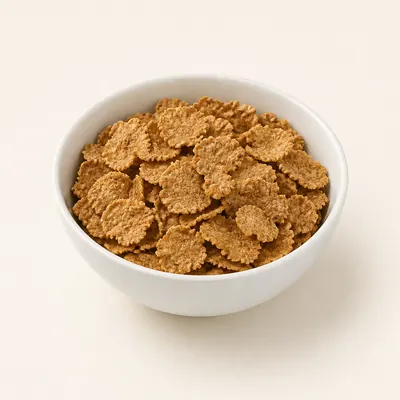
What cereal is good for pregnancy?
Look at three lines on the label:
- Folate. Labels list folate in mcg DFE, with the folic acid amount in parentheses when it is added. The NIH folate fact sheet uses a cereal fortified with 25% of the Daily Value, or 100 mcg DFE per serving, as an example; some cereals are fortified to 100%. The pregnancy recommendation is 600 mcg DFE a day from all sources.
- Iron. The NIH iron fact sheet lists 18 mg of iron in a serving of cereal fortified with 100% of the Daily Value. The pregnancy recommendation is 27 mg a day.
- Fiber and added sugar. These vary by cereal; compare labels if constipation or blood sugar is on your mind. Our fiber guide has more ideas.
Is Special K or corn flakes good for pregnancy?
Both are fortified cereals in PregNut's historical USDA-based dataset. Per 100 g (several servings), the data lists:
- Special K: 28 mg iron and 2,180 mcg DFE folate.
- Corn flakes: 28.9 mg iron and 583 mcg DFE folate.
- Cheerios: 33.17 mg iron and 1,201 mcg DFE folate.
These are historical reference values, not current product labels. Recipes and fortification change, so use the box in your hand for the serving amount.
Can fortified cereal replace a prenatal vitamin?
Not on its own. Cereal can help, but the CDC's folic acid recommendation can be met with a supplement, fortified foods, or both, and a prenatal may also supply iron and other nutrients. Count cereal alongside your prenatal rather than doubling up blindly. The NIH folate fact sheet sets an adult upper limit of 1,000 mcg of folic acid a day from supplements and fortified foods combined. Some cereals also add vitamin A; the NIH vitamin A fact sheet warns that too much preformed vitamin A during pregnancy can cause birth defects. Bring your cereal and prenatal labels to an appointment if the totals look high. See how to read a prenatal label.
Is cereal good for nausea?
If nausea makes full meals hard, ACOG suggests eating frequent small bites. Dry cereal is easy to keep at hand. Our morning sickness food guide has more options.
Common questions
Is Honey Bunches of Oats OK while pregnant?
Yes, it is a breakfast cereal, so the same label checks apply. PregNut has an entry for Honey Bunches of Oats; compare its iron, folate, and sugar with other cereals.
What about cereal with gestational diabetes?
Ask your care team for a carbohydrate plan. Compare total carbohydrate, fiber, and added sugar on the label rather than relying on a cereal's name.
Sources: CDC folic acid, NIH folate fact sheet, NIH iron fact sheet, NIH vitamin A fact sheet, and ACOG morning sickness FAQ. This guide is educational and does not replace prenatal care.