Iron-Rich Foods During Pregnancy: Practical Pairings
Foods high in iron for pregnancy, with NIH amounts for fortified cereal, beans, lentils, tofu, spinach, and meat, plus vitamin C pairings.
Iron supports oxygen delivery throughout your body. And so, it’s essential for the baby’s growth and brain development.
Cleveland Clinic: What To Eat During Pregnancy Read the original source
The short answer: Iron needs rise during pregnancy. ACOG lists 27 mg per day. Foods can contribute, and a prenatal vitamin often supplies iron, but a clinician should guide treatment if blood tests show anemia.
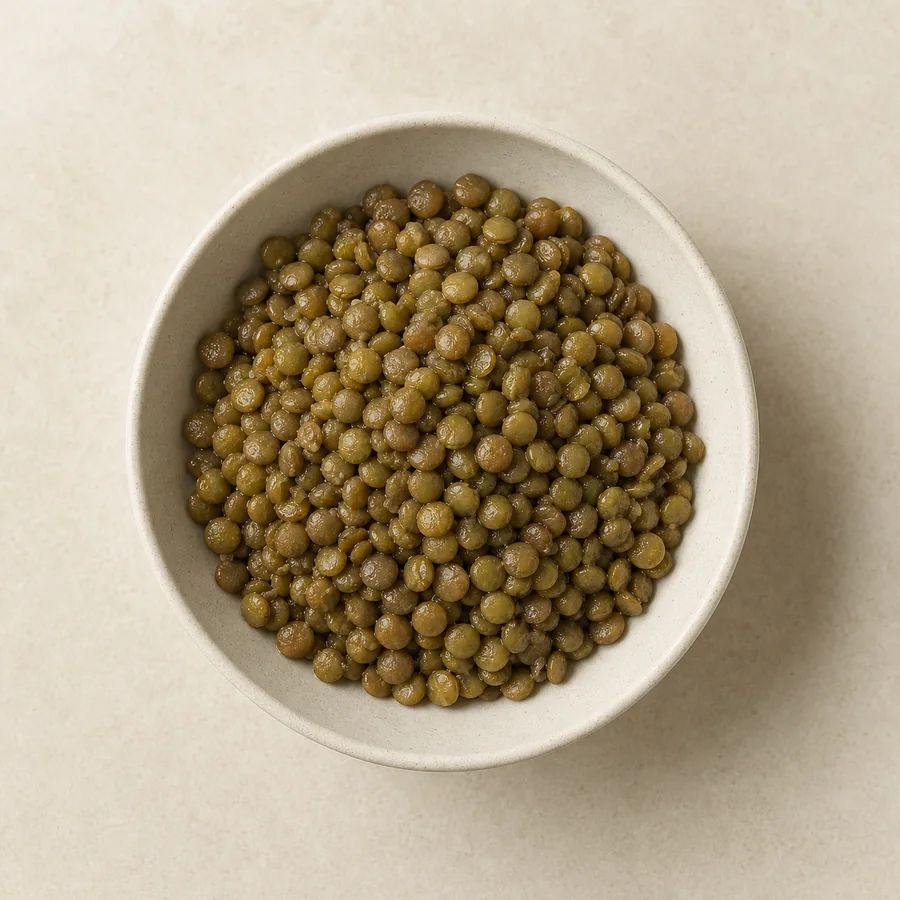
Which foods are highest in iron for pregnancy?
Fortified breakfast cereal, beans, lentils, tofu, cooked spinach, and lean meat are among the highest-iron everyday foods. The NIH iron food table lists these servings:
| Food | Serving | Iron |
|---|---|---|
| Breakfast cereal fortified with 100% of the Daily Value | 1 serving | 18 mg |
| White beans, canned | 1 cup | 8 mg |
| Lentils, boiled | ½ cup | 3 mg |
| Spinach, boiled | ½ cup | 3 mg |
| Tofu, firm | ½ cup | 3 mg |
| Chickpeas, boiled | ½ cup | 2 mg |
| Beef, braised bottom round | 3 ounces | 2 mg |
ACOG names lean red meat, poultry, fish, dried beans and peas, iron-fortified cereals, and prune juice as iron sources in pregnancy. Cook meat, poultry, and fish fully, as CDC advises. Cooked oysters are also high in iron (NIH lists 8 mg in 3 ounces); see our oysters guide for why they must be cooked.
What foods contain iron?
Meat and poultry provide iron that the body generally absorbs more readily. Beans, lentils, tofu, spinach, and iron-fortified cereals also contribute. In our weekly guide, iron first appears as a high-priority highlight in weeks 17–20 and stays there through week 40. The NIH iron fact sheet describes both animal and plant sources. Compare options in PregNut's food lookup, remembering that every food chart uses 100 g rather than a typical serving.
Three food comparisons from PregNut
The site's USDA-based data lists the following iron amounts per 100 g of food:
- Boiled soybeans: 5.14 mg.
- Boiled spinach: 3.57 mg.
- Boiled lentils: 3.33 mg.
These figures describe iron in the food, not iron absorbed by your body. Portions differ, and plant iron is generally less readily absorbed than iron from meat. Pair plant sources with vitamin C and use your prenatal care plan for any diagnosed deficiency.
How much iron is in a half-cup serving?
The NIH iron food table lists about 3 mg each for ½ cup boiled lentils, ½ cup boiled spinach, and ½ cup firm tofu. It lists about 2 mg for ½ cup canned kidney beans. These rounded serving amounts are easier to use at a meal than PregNut's per-100 g figures above, and preparation still matters. Lentils and spinach also contribute folate; see our folate and folic acid guide for how food folate differs from the folic acid in a prenatal.
NIH's table shows percentages based on the 18 mg iron Daily Value used for general food labels. That percentage is not the share of the 27 mg pregnancy intake recommendation. Use the milligrams when comparing portions and your prenatal label; the iron you absorb can also differ by food and meal.
How can I use vitamin C with plant iron?
NIH notes that vitamin C helps the body absorb iron from plant foods. Try ½ cup cooked lentils with ½ cup raw sweet red pepper: the NIH vitamin C food table lists about 95 mg vitamin C for that pepper portion. Beans with peppers or a fortified cereal with strawberries are other options. Our vitamin C foods guide compares more noncitrus choices. A pairing does not tell you exactly how much iron you absorbed, and these are meal ideas, not a substitute for a prescribed iron plan. See PregNut's weekly guide for other nutrient priorities alongside iron.
Common questions
Are lentils enough iron during pregnancy?
A ½ cup serving of boiled lentils contributes about 3 mg of iron, according to NIH. That helps, but it is only one part of the 27 mg daily pregnancy reference, and plant iron is not all absorbed. Consider the rest of your meals, your prenatal, and any blood test results. Ask your clinician about your personal iron needs.
Is spinach the best source of iron?
Spinach contains iron, but food tables alone do not describe how much your body absorbs. Use a variety of iron foods and pair plant sources with vitamin C.
Do I need an extra iron pill if my prenatal contains iron?
Do not double up automatically. Extra iron can cause side effects, and the right dose depends on your lab results and care plan. Bring your prenatal label to an appointment if you are unsure.
Which fruits are high in iron?
Fruit is not a major iron source. In the NIH table, ¼ cup of raisins provides about 1 mg, and ACOG lists prune juice among iron sources. Fruit is more useful for its vitamin C, which helps you absorb plant iron, as described above.
What if my prenatal is a gummy?
Some gummy prenatals contain little or no iron. ACOG advises checking the label and discussing any additional iron with your obstetric clinician.
Can food alone correct iron-deficiency anemia?
Diet supports iron intake, but diagnosed anemia may need a separate treatment plan. Follow the clinician who interprets your blood work rather than treating a food ranking as a diagnosis.
If your iron supplement is causing constipation, see our fiber-rich food guide and talk with your clinician before changing the supplement.
Sources: ACOG healthy eating during pregnancy, NIH iron fact sheet, NIH iron food table, NIH vitamin C food table, and FDA Daily Values. This guide is educational and does not replace prenatal care.