Oysters During Pregnancy: Raw vs Cooked, and How to Cook Them
CDC and FDA advise against raw oysters in pregnancy. How to cook oysters so they are safer, whether baked or fried count, and what if you ate raw ones.
The short answer: Do not eat raw or undercooked oysters while pregnant. Fully cooked oysters are the safer choice. The FDA advises pregnant women to avoid raw or undercooked shellfish, including oysters, and the CDC says not to eat raw or undercooked oysters or other seafood.
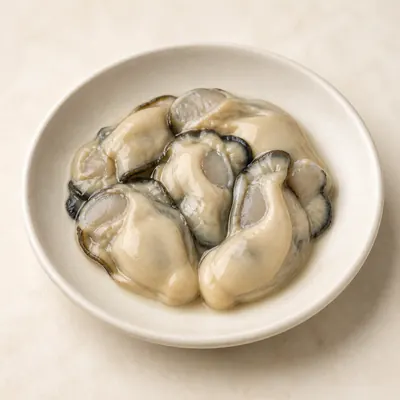
Why are raw oysters a concern during pregnancy?
The FDA explains that oysters, clams, and mussels filter water and can collect bacteria and viruses from it. The CDC says most people get vibriosis by eating raw or undercooked shellfish, particularly oysters. The CDC's toxoplasmosis advice also says not to eat raw or undercooked oysters, mussels, or clams. Hot sauce or lemon on a raw oyster does not make it cooked.
How should oysters be cooked?
The CDC's Vibrio prevention page gives these methods:
- In the shell: throw out any with open shells before cooking. Boil until the shells open, then keep boiling for another 3 to 5 minutes, or add them to a steamer that is already steaming and cook another 4 to 9 minutes. Eat only the ones that open; discard any that do not open fully.
- Shucked: boil for at least 3 minutes, fry in oil at 375°F for at least 3 minutes, broil 3 inches from the heat for 3 minutes, or bake at 450°F for 10 minutes.
Can you eat cooked or baked oysters while pregnant?
Yes, when they are cooked through. Fried oysters, oyster stew, and baked or grilled oysters are safer choices when they meet the cooking steps above. Lightly warmed or "just-kissed" grilled oysters on the half shell may not, so ask how long they are cooked, or skip them. The CDC's pregnancy chart also lists canned seafood as a safer choice.
Are oysters high in mercury?
No. Oysters are on the FDA's Best Choices list, so cooked oysters count toward FDA's 2 to 3 servings a week (4 ounces each) of Best Choices during pregnancy. Our low-mercury fish guide has the full list.
What nutrients do oysters provide?
Oysters are known for zinc and iron. The NIH zinc fact sheet says oysters contain more zinc per serving than any other food and lists 28.2 mg of zinc in 3 ounces of cooked Pacific oysters; the adult pregnancy recommendation is 11 mg a day. The NIH iron fact sheet lists 8 mg of iron in 3 ounces of cooked eastern oysters. See our zinc guide for other sources.
Common questions
What if I ate raw oysters while pregnant?
Watch for symptoms and tell your prenatal care team. The CDC's symptom table lists Vibrio symptoms, such as watery diarrhea, nausea, stomach cramps, vomiting, fever, and chills, as usually starting within 24 hours. The CDC says to see a doctor if you are pregnant and have a fever with other flu-like symptoms.
Are mussels and clams the same?
Yes. The FDA and CDC give the same advice for oysters, clams, and mussels: avoid them raw, and cook until the shells open, discarding any that stay closed. See our shrimp guide for other shellfish.
Sources: FDA meat, poultry, and seafood safety for moms-to-be, CDC about vibriosis, CDC preventing vibriosis, CDC preventing toxoplasmosis, CDC safer food choices for pregnant women, FDA advice about eating fish, NIH zinc fact sheet, NIH iron fact sheet, and CDC food-poisoning symptoms. This guide is educational and does not replace prenatal care.