High-Fiber Foods for Constipation During Pregnancy
Compare fiber in everyday portions of lentils, raspberries, and apples, then learn how to add fiber gradually during pregnancy.
Fiber-rich foods include fruits, vegetables, whole grains and legumes. Many cereals, such as bran flakes, are good sources of fiber.
Mayo Clinic: Increasing Fiber Intake for Constipation Relief Read the original source
The short answer: Fruits, vegetables, beans, lentils, and whole grains can help you eat more fiber when constipation is a problem during pregnancy. ACOG suggests about 25 g of fiber a day. Increase fiber gradually and drink water as you do; a sudden jump may be uncomfortable.
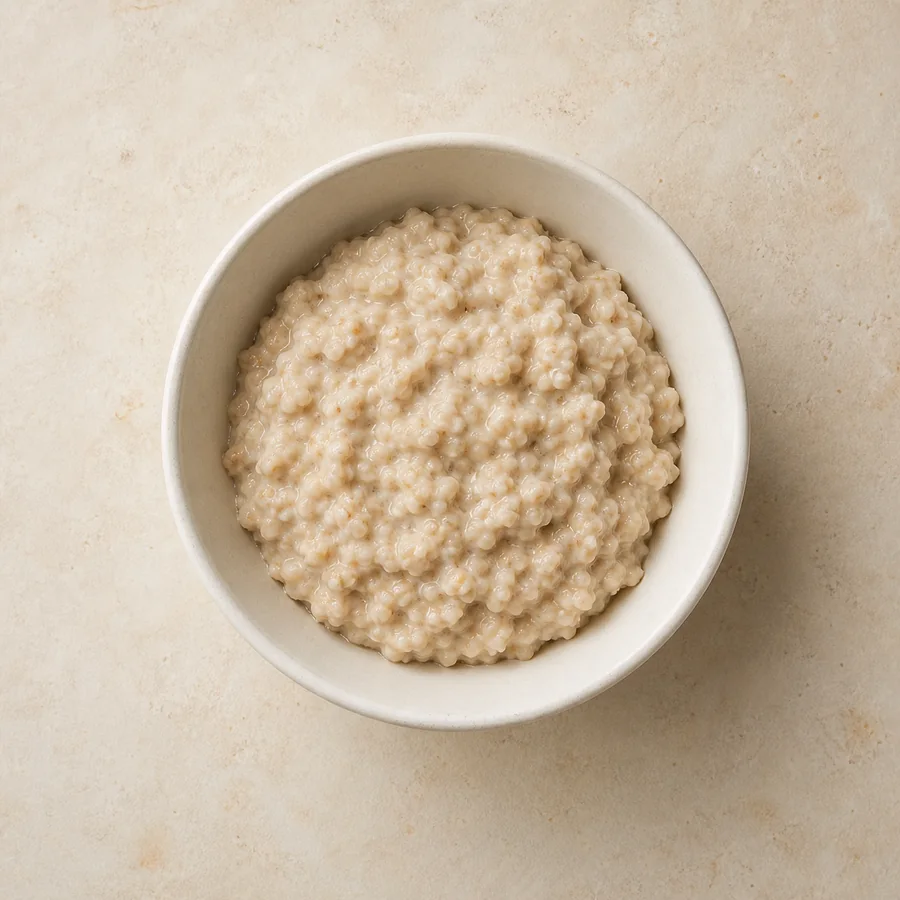
Which high-fiber foods help with constipation while pregnant?
This is a high-fiber foods list for constipation in pregnancy (high-fibre, in British spelling), and a practical high fiber food list for pregnant women.
Start with foods you already like, then make one small change at a time:
| At this meal | Try adding fiber with |
|---|---|
| Breakfast | Oatmeal or a whole-grain cereal, plus berries or a banana. |
| Lunch | Lentils or beans in a soup, salad, or grain bowl. |
| Snack | An apple or pear with the skin on, or a small handful of nuts if you tolerate them. |
| Dinner | Vegetables alongside a whole grain such as brown rice or whole-wheat pasta. |
These are food ideas, not a treatment plan or a promise that one food will relieve constipation. NIDDK's pregnancy guidance recommends high-fiber foods, water, and daily physical activity to help prevent constipation. ACOG lists lentils, fruit, whole grains, nuts, and seeds among fiber sources.
How much fiber is in a familiar portion?
The NIH NIDDK food-source table lists these examples from federal food-composition data. The amount changes with the food and portion you actually serve:
- ½ cup cooked lentils: 7.8 g dietary fiber.
- 1 cup raspberries: 8.0 g dietary fiber.
- 1 medium apple with skin: 4.8 g dietary fiber.
These are food-composition examples, not a promise that a particular portion will treat constipation. Start with a smaller portion if a full cup of berries is a big change. Wash fruit before eating it, and check current package labels for prepared foods.
PregNut's food lookup does not currently calculate dietary fiber. Check packaged-food labels for fiber amounts, and use NIDDK's food examples when planning meals. Beans and whole grains can also contribute magnesium; our magnesium food guide compares named portions using NIH data. For the bananas and lentils above, the potassium food guide compares amounts using PregNut's food data.
High-fibre foods list for pregnancy constipation
“Fibre” is the British spelling of fiber; the advice is the same. ACOG names these good sources of fiber:
- Apples
- Bananas
- Lentils
- Raspberries
- Split peas
- Whole-wheat pasta
ACOG also lists fruits, vegetables, whole grains, beans, nuts, and seeds in general. Wash fruit before eating it, and compare packaged-food labels for higher-fiber options.
How should I increase fiber?
Add a little more fiber over several days instead of changing every meal at once. Drink water throughout the day; NIDDK notes that fluids help fiber work better. Check packaged-food labels when choosing cereals or breads, because fiber amounts vary. If you have a condition that limits fluids or requires a special diet, ask your prenatal clinician what fits your care plan.
Wash fruit and vegetables before eating them. If you add yogurt to breakfast, choose a pasteurized product. Follow CDC's pregnancy food-safety guidance when preparing meals.
What if my iron supplement is making constipation worse?
Iron supplements can contribute to constipation. Do not stop or change a prescribed iron dose on your own. Tell your prenatal clinician what you take and what symptoms you have; they can review whether a different approach is appropriate. Our iron-food guide explains how foods contribute to iron intake, but food choices do not replace treatment for diagnosed anemia.
If constipation continues despite food, water, and activity changes, ask your prenatal clinician about next steps rather than choosing a laxative without advice. ACOG's digestive-health guidance discusses constipation during pregnancy and treatment options.
Common questions
How much fibre should I eat a day when pregnant?
ACOG suggests aiming for about 25 g of fiber a day. If you have not been getting that much, increase it a little each day and drink plenty of water as you do.
What are the best high-fibre foods for constipation while pregnant?
No single food is best. The list above comes from ACOG, and the table earlier shows how much fiber familiar portions contain. Choose foods you tolerate and add them gradually.
Sources: ACOG constipation advice, ACOG digestive-health FAQ, NIDDK pregnancy nutrition tips, NIDDK constipation diet guidance, NIDDK food-source fiber table, and CDC safer food choices. This guide is educational and does not replace prenatal care.