Vitamin C Foods During Pregnancy Without Citrus
Compare vitamin C in red pepper, kiwi, strawberries, and broccoli, with everyday portions, preparation notes, and iron-pairing ideas.
Everyone thinks about citrus foods when they think of vitamin C, but actually, oranges do not have the highest amount of vitamin C.
Nebraska Medicine: Can Vitamin C Help Treat a Cold? Read the original source
The short answer: Citrus is not required to get vitamin C. Red sweet pepper, kiwi, strawberries, and broccoli can contribute substantial amounts. ACOG lists 85 mg per day as the pregnancy recommendation for adults ages 19–50 and 80 mg for pregnant teens ages 14–18. Your usual diet and prenatal may both contribute.
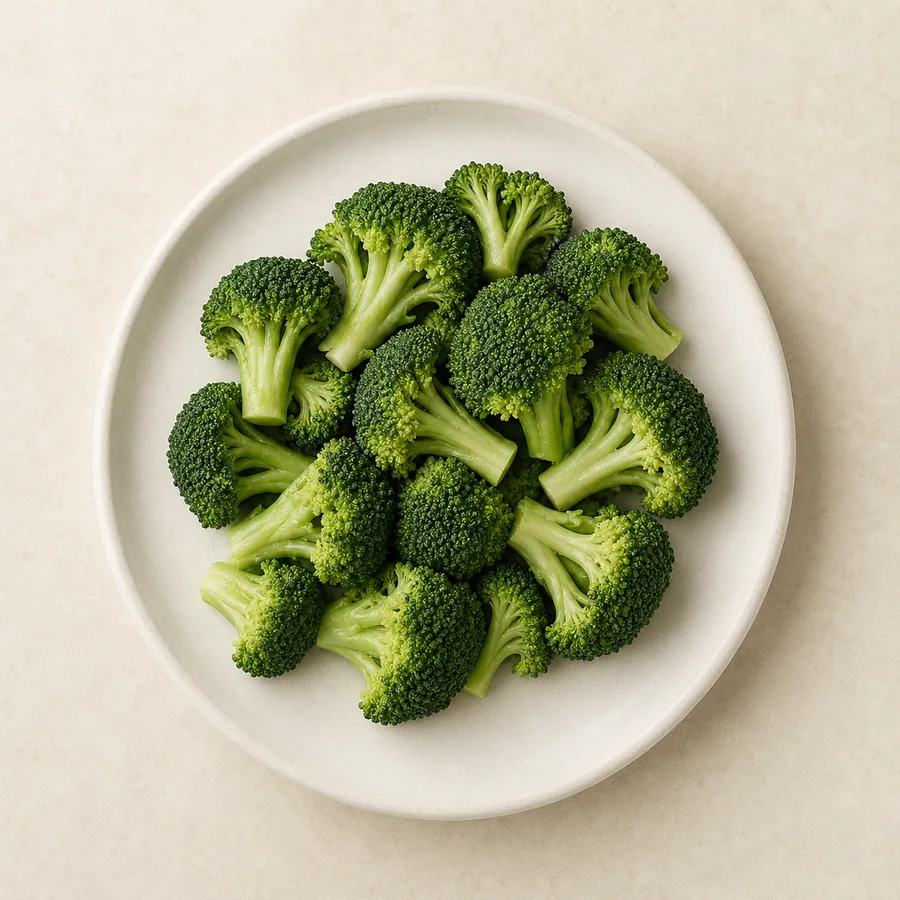
Which foods provide vitamin C without citrus?
PregNut's USDA-based food data reports these amounts per 100 g of the food as named:
| Food | Vitamin C per 100 g | Preparation in the data |
|---|---|---|
| Raw sweet red pepper | 127.7 mg | Raw pepper. |
| Raw green kiwi | 92.7 mg | Raw edible fruit. |
| Boiled broccoli | 64.9 mg | Cooked broccoli. |
| Raw strawberries | 58.8 mg | Raw berries. |
Equal weights are useful for comparison, but 100 g is not an everyday serving for every food. The NIH vitamin C food table gives familiar portions: ½ cup raw sweet red pepper has about 95 mg, one medium kiwi about 64 mg, ½ cup cooked broccoli about 51 mg, and ½ cup sliced strawberries about 49 mg. Food variety, storage, and preparation can change these amounts.
Does cooking change vitamin C?
Yes. NIH explains that prolonged storage and cooking can reduce vitamin C because it is water soluble and sensitive to heat. This does not mean cooked vegetables have none: the NIH table still lists about 51 mg in ½ cup cooked broccoli. Compare the prepared food you actually eat instead of applying a raw-food value to a cooked serving.
For raw fruit and peppers, CDC advises washing produce during pregnancy. Nutrient content alone does not establish food safety.
How does vitamin C fit with iron foods?
Vitamin C can improve absorption of nonheme iron, the form in plant foods. A practical pairing is lentils or beans with washed raw red pepper. Our iron foods guide compares plant iron portions and explains why a meal pairing cannot tell you the exact amount of iron absorbed. For meal ideas, the weeks 21–24 guide builds two example meals around iron and vitamin C. If you have diagnosed anemia, follow your clinician's treatment plan.
Common questions
Can I get enough vitamin C without oranges or juice?
Yes. NIH lists several noncitrus sources. Its ½ cup raw red pepper example provides about 95 mg, more than the 85 mg adult pregnancy daily reference. The amount in your own portion may differ, and the rest of your diet matters too. If you do drink juice, check that it is pasteurized.
Do I need a separate vitamin C supplement?
Check your prenatal label and usual foods first. ACOG notes that vitamin C can come from both food and a prenatal vitamin. Discuss a separate supplement with your prenatal clinician rather than assuming a higher dose will improve pregnancy outcomes.
Should I use raw vegetables only to preserve vitamin C?
No. Cooked vegetables can still contribute vitamin C, and food safety and what you enjoy eating matter. Wash raw produce, and use the value for the preparation you choose.
Sources: ACOG healthy eating during pregnancy, NIH vitamin C fact sheet and food table, and CDC safer food choices. This guide is educational and does not replace prenatal care.