Eggs During Pregnancy: Runny Yolks, Pasteurized Eggs, and Sauces
Poached eggs are safe in pregnancy only when the yolk is cooked firm (CDC, FDA). Runny, soft-boiled, scrambled and pasteurized eggs explained.
When in doubt, check an item’s label and ask your doctor.
Henry Community Health: What Can’t You Eat During Pregnancy? Read the original source
The short answer: Eggs can contribute nutrients during pregnancy, but preparation matters. The CDC's safer-food guide recommends eggs cooked until both the yolks and whites are firm. For a food that will contain raw or lightly cooked egg, use pasteurized eggs or egg products. A nutrient chart cannot tell whether a particular egg dish was cooked safely.
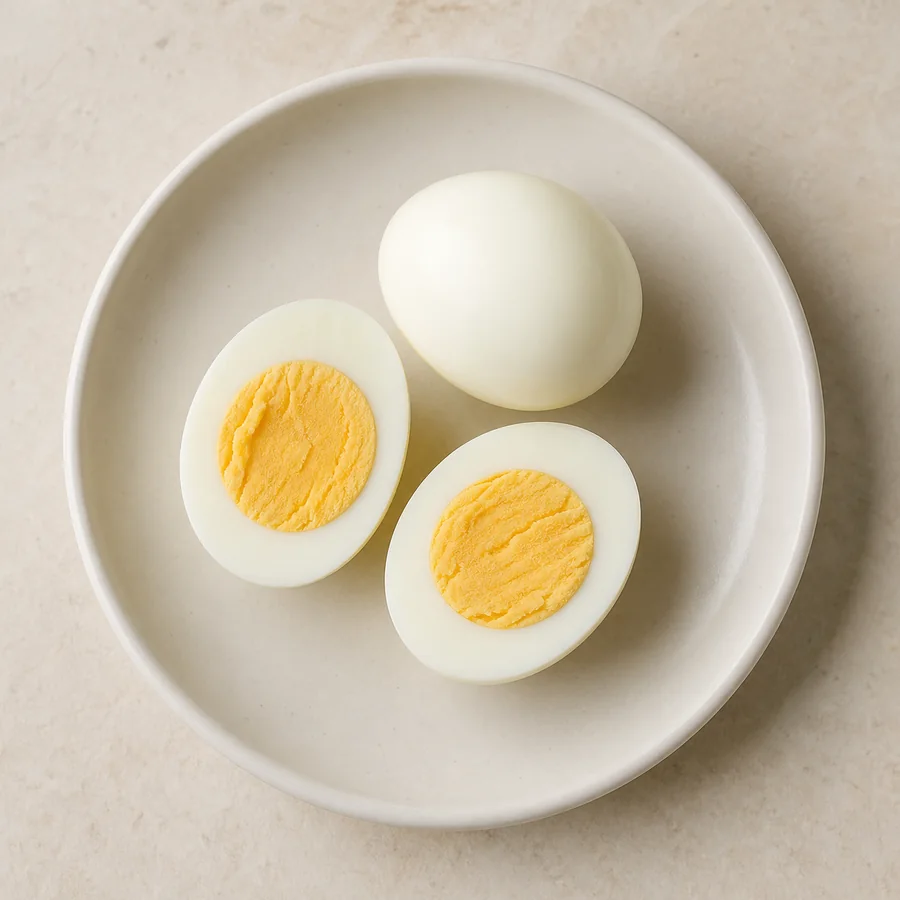
How thoroughly should eggs be cooked?
Cook whole eggs until the yolk and white are firm. That includes dippy eggs and other runny-yolk eggs while pregnant: cook them until the yolk is firm, or use pasteurized eggs. The FDA also advises cooking scrambled eggs until firm throughout. A food's name does not establish its final doneness: a poached or fried egg may still have a runny yolk.
For mixed egg dishes, the CDC lists 160°F for dishes without meat or poultry and 165°F when they contain meat or poultry. Use a food thermometer for a casserole, quiche, or similar dish rather than judging the center by appearance alone.
Are pasteurized eggs safe for pregnancy?
Pasteurized eggs are the option CDC and FDA point to when an egg will not be cooked through. Look for the word pasteurized on the shell or carton. The FDA lists fresh pasteurized eggs in the shell and liquid pasteurized egg products in the refrigerator section of some supermarkets, and frozen pasteurized egg products in the freezer section. Pasteurization is separate from cooking, so a pasteurized egg in a cooked dish should still be cooked as above.
Is pasteurized egg yolk safe in pregnancy?
The yolk follows the same rule as the whole egg (“pasteurised” is the British spelling). A yolk used raw or lightly cooked, such as in hollandaise or custard, should come from a pasteurized egg or pasteurized egg product. A yolk from an ordinary shell egg should be cooked until firm. The FDA's egg-safety guide says shell eggs treated to destroy Salmonella do not have to carry the “cook eggs until yolks are firm” handling statement and are usually labeled as treated, so the carton tells you which kind you have.
Are runny eggs or raw-egg sauces different if the eggs are pasteurized?
CDC lists raw or undercooked runny eggs as a riskier choice during pregnancy. It recommends pasteurized eggs in foods that will not be cooked to a safe temperature, such as mousse and salad dressing. The FDA likewise recommends pasteurized shell eggs or egg products for recipes served with raw or undercooked egg, including homemade Caesar dressing and ice cream. Look for the word pasteurized on the egg or product label; an ordinary carton of shell eggs should not be assumed to be pasteurized.
Commercial mayonnaise, dressings, and sauces commonly use pasteurized eggs, according to the FDA's pregnancy food-safety guide. For a homemade version or a restaurant sauce, ask how it was prepared if the ingredients are unclear. Our mayonnaise guide covers aioli, restaurant sauces, and deli salads. The same question applies to homemade eggnog, mousse, tiramisu, and raw batter.
Can you eat poached eggs when pregnant?
Only if the yolk is cooked firm. Poached eggs are usually served with a runny yolk, which CDC lists as a riskier choice. Poach them longer until the yolk is firm, or use pasteurized eggs. The same goes for fried eggs: a sunny-side-up egg is safe only once the yolk has set.
Cut into the egg before eating: the FDA's egg-safety guide says to cook eggs until both the yolk and the white are firm. At a restaurant, ask for the poached egg “hard” or “well done.” Eggs Benedict brings a second question: the FDA lists hollandaise among homemade or fresh-made sauces that can contain raw egg, so ask whether it was made with pasteurized eggs.
Are scrambled, fried, or soft-boiled eggs safe while pregnant?
Scrambled and fried eggs can be, once they are cooked through. The FDA advises cooking scrambled eggs until firm throughout and frying eggs for 2 to 3 minutes on each side, or 4 minutes in a covered pan. A hard-boiled egg with a firm yolk and white matches the CDC's safer choice. A soft-boiled egg with a runny or jammy yolk is the undercooked egg CDC lists as riskier, unless the egg was pasteurized.
What if I ate a runny egg while pregnant?
Eating one does not mean you will get sick. The CDC lists eggs among the foods linked to Salmonella, with symptoms such as diarrhea, fever, stomach cramps, and vomiting that can start 6 hours to 6 days after eating. CDC advises seeing your doctor if you are pregnant and have a fever and other flu-like symptoms. If you feel well but are worried, ask your prenatal care team.
What can PregNut's egg pages tell me?
The hard-boiled egg, poached egg, and scrambled egg pages compare nutrients per 100 grams. Those values describe reference foods; they do not verify the doneness, pasteurization, storage, or safety of the eggs on your plate. For egg and egg-free choline ideas, see our choline foods guide.
Related: raw egg foods (meringue, hollandaise, Caesar, tiramisu) and raw cookie dough.
Sources: CDC safer food choices for pregnant women, CDC food-poisoning symptoms, FDA dairy and eggs food safety for moms-to-be, and FDA egg safety. This guide is educational and does not replace prenatal care.