Choline Foods During Pregnancy: Eggs, Beans, and Prenatal Labels
Compare choline in eggs and egg-free foods by everyday portions, then check how much your prenatal label contributes during pregnancy.
Foods like milk, eggs, and meat are good sources of choline, while most plants are poorer sources of choline.
The Importance of Choline During Pregnancy and Early Childhood Read the original source
The short answer: Eggs, fish, meat, dairy, soybeans, and some vegetables can all contribute choline during pregnancy. The NIH Office of Dietary Supplements lists 450 mg per day as the adequate intake for pregnant people. That is an adequate intake, rather than a guarantee that every individual needs exactly that amount.
Why look beyond a prenatal vitamin?
Not every prenatal contains choline, and products that include it may provide only a small amount. Check the Supplement Facts panel for both the amount per serving and the serving size. The NIH pregnancy supplement review discusses how much choline appears in prenatal products. Do not add a separate supplement simply because a label looks low; review your diet and prenatal with your clinician.
Which foods can help?
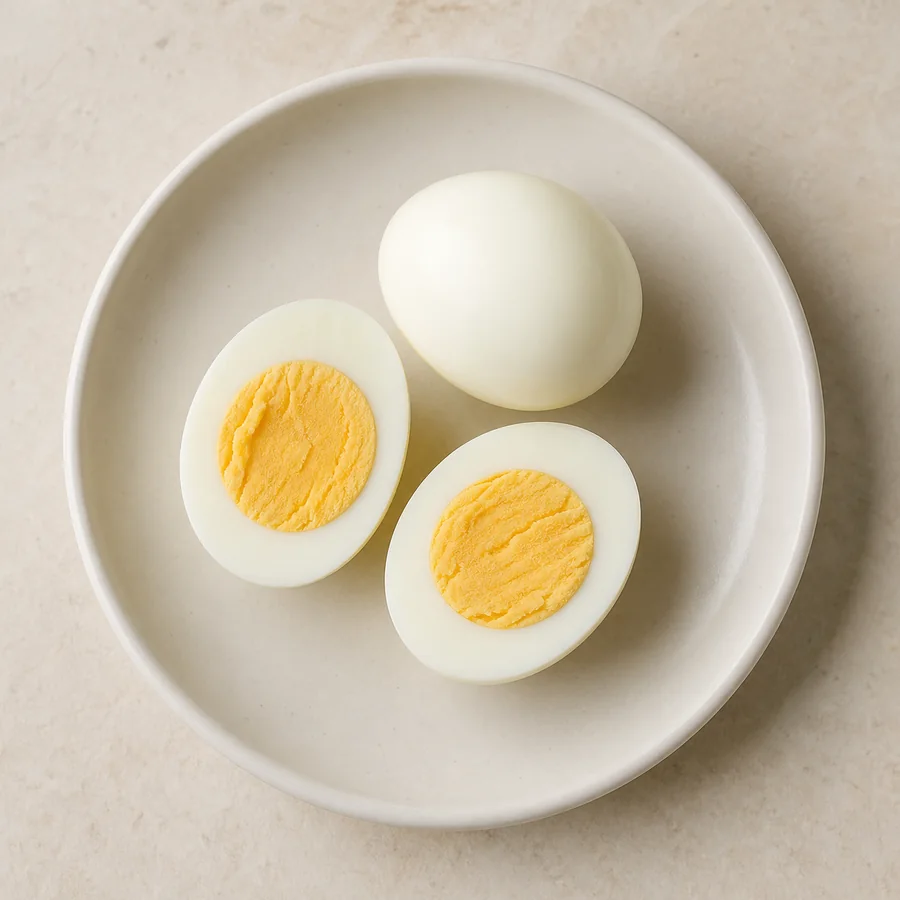
- Eggs are a practical choline food. Choose eggs cooked until the yolk and white are firm, following CDC food safety advice for pregnancy. See our egg doneness and pasteurization guide for raw-egg dishes and sauces. Choline is a high-priority highlight in our weeks 13–16 guide, which starts with a fully cooked egg.
- Fish, poultry, meat, and dairy can contribute choline. For fish, choose lower-mercury options and cook them thoroughly; see our fish guide.
- Soybeans, beans, broccoli, Brussels sprouts, nuts, seeds, and whole grains can add choline across a varied diet. NIH lists these among food sources, though amounts differ substantially.
Use PregNut's food lookup to compare foods by a consistent 100 g amount. Then translate that comparison into the portion you actually eat. A 100 g chart is a comparison tool, not a meal plan or a food safety endorsement.
What does the food data show?
These examples come from PregNut's USDA-based food data and use the same 100 g reference amount. They are not equal-size everyday servings:
- Hard-boiled egg: 293.8 mg choline per 100 g. The cooked egg entry is the relevant comparison here, not a raw-egg suggestion.
- Cooked sockeye salmon: 112.6 mg choline per 100 g. Check the FDA/EPA fish guidance for species and weekly servings.
- Boiled soybeans: 47.5 mg choline per 100 g.
An egg, a serving of salmon, and a bowl of soybeans will not usually weigh the same. Use the numbers to compare nutrient density, then account for your actual portion.
How much choline is in an egg and other everyday portions?
The NIH choline food table gives amounts for portions people may actually eat:
- One large hard-boiled egg: about 147 mg of choline. Two provide about 294 mg, or roughly 65% of the 450 mg pregnancy adequate intake. That leaves other meals and your prenatal label to consider.
- Egg-free examples: ½ cup roasted soybeans provides about 107 mg, 1 cup cooked quinoa about 43 mg, and ½ cup boiled broccoli about 31 mg. Together across a day, those portions contribute about 181 mg, or 40% of the pregnancy adequate intake.
These are illustrative portions, not a full-day meal plan. Roasted soybeans in the NIH table are a different preparation from the boiled soybeans in PregNut's 100 g comparison above; do not swap their numbers. Food amounts vary, and the adequate intake is a planning reference rather than an exact personal target.
What could a choline-containing breakfast look like?
- With eggs: One large hard-boiled egg and a cup of 1% milk provide about 190 mg choline together, using the NIH serving amounts. Choose pasteurized milk and fully cooked eggs.
- Without eggs: A savory bowl with 1 cup cooked quinoa and ½ cup roasted soybeans provides about 150 mg choline from those two ingredients, using the same NIH table.
These examples show how foods can contribute at breakfast; neither is a complete day's intake. Portions, other meals, and the amount on your prenatal label still matter.
Common questions
Can I get choline without eggs?
Yes. The egg-free portions above show how soybeans, quinoa, and broccoli contribute. NIH also lists meat, fish, dairy, beans, nuts, and whole grains. If you avoid several of these groups, ask your clinician or a registered dietitian to review your overall intake.
Are two eggs enough choline for a day?
Two large hard-boiled eggs provide about 294 mg, compared with the 450 mg pregnancy adequate intake. They contribute substantially but do not cover the entire reference amount. Your other foods and prenatal label matter, too.
Do most pregnant people get enough choline?
Often not. The NIH choline fact sheet says about 90% to 95% of pregnant women consume less choline than the adequate intake, and that prenatal supplements typically contain little if any choline. ACOG says experts recommend 450 mg of choline a day during pregnancy and names chicken, beef, eggs, milk, soy products, and peanuts as sources.
Is choline safe during pregnancy? How much is too much?
Choline from food is part of a normal diet. NIH sets the upper limit for choline from food and supplements combined at 3,500 mg a day for pregnant adults and 3,000 mg for pregnant teens ages 14 to 18. NIH links very high intakes to a fishy body odor, vomiting, heavy sweating and salivation, low blood pressure, and liver toxicity.
What form of choline is in supplements?
NIH lists choline bitartrate, phosphatidylcholine, and lecithin as the forms found in supplements, typically 10 mg to 250 mg per product, and says no studies have compared how well these forms are absorbed. Compare the milligrams of choline on the Supplement Facts panel rather than the form name.
Should I buy a choline-only supplement?
That depends on your diet, prenatal formulation, and medical history. Bring the product's Supplement Facts panel to a prenatal visit before adding it.
Does more choline mean a better pregnancy outcome?
The intake target helps with nutrition planning. It does not mean that taking more than the target produces a better outcome. Avoid exceeding supplement directions without individualized advice.
Sources: NIH choline fact sheet, ACOG healthy eating during pregnancy, NIH choline food table, NIH pregnancy supplement review, and CDC safer food choices. This guide is educational and does not replace prenatal care.