Vegetarian Protein During Pregnancy: Compare Everyday Foods
Compare protein in cooked lentils, tofu, and Greek yogurt during pregnancy, with practical portions and food-safety notes.
For vegetarians, proteins can also come from beans, nuts, seeds and peas.
Banner Health: Can I Safely Be a Vegetarian During Pregnancy? Read the original source
The short answer: You can get protein from beans, soy foods, nuts, seeds, eggs, and dairy if you eat them. ACOG recommends a variety of protein foods during pregnancy. A single food does not have to provide the whole day's protein.
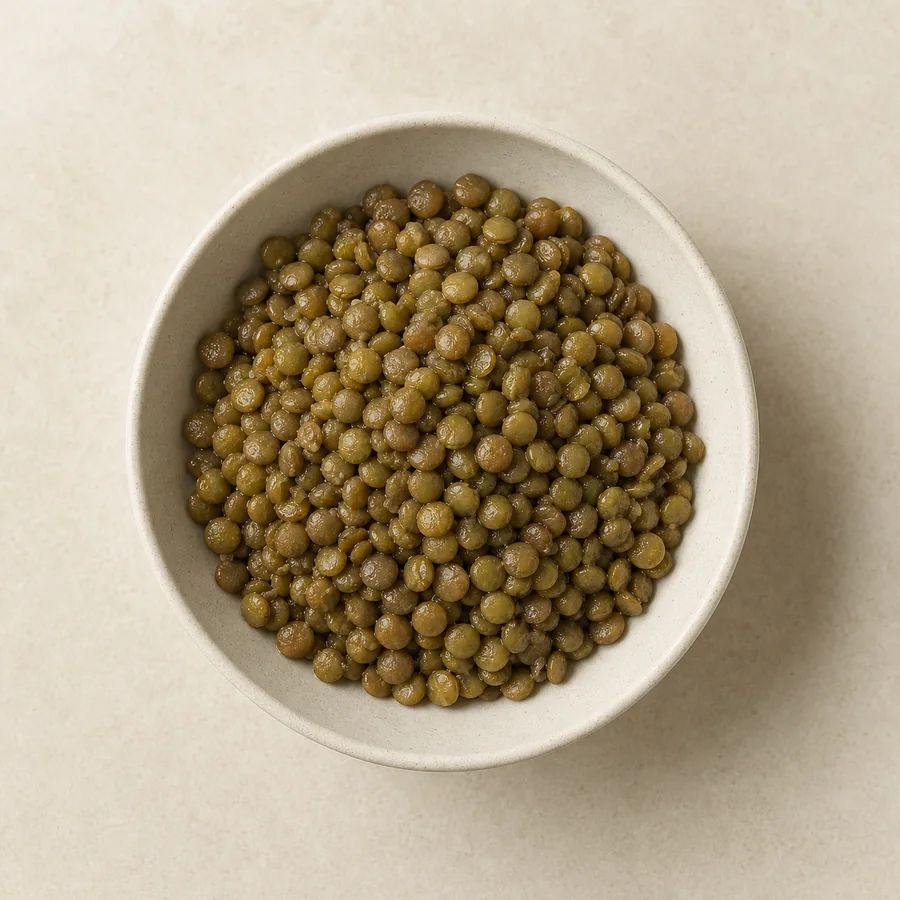
What do common vegetarian foods provide?
PregNut's USDA-based food data reports these amounts per 100 g of the food as named:
| Food | Protein per 100 g | What to check |
|---|---|---|
| Boiled lentils | 9.02 g | This is the cooked food, not dry lentils. |
| Soft tofu | 7.17 g | Firmness and brand can change the amount. |
| Plain, nonfat Greek yogurt | 10.19 g | Choose pasteurized dairy products. |
These are comparison amounts, not serving recommendations. For example, 150 g of the listed cooked lentils would provide about 13.5 g protein; your actual portion can be smaller or larger. A bowl of lentils with a grain, tofu added to a meal, or yogurt with a snack are ways to spread protein foods through the day.
How much should I aim for?
PregNut uses 70 g per day as a comparison benchmark in its food charts. It is not a personalized pregnancy prescription. Protein needs depend on factors including body size and pregnancy stage; ask your prenatal clinician or dietitian for an individual target if you need one. Protein is also a high-priority highlight in our guide to weeks 29–32, a high-growth stretch of pregnancy. Use the food lookup to compare foods, then check the package label for your actual product and serving.
Protein is only one part of a vegetarian pregnancy diet. Our B12 guide, iron guide, choline guide, and zinc guide cover other nutrients that need attention. Follow CDC pregnancy food-safety advice, including using pasteurized dairy and thoroughly cooked eggs.
If you are comparing a powder with these foods, see our protein powder label and serving guide. A 100 g database amount is not necessarily the amount in one scoop.
Further reading: The National Academies 2020 workshop proceedings discuss research on protein needs during pregnancy (read the full book; Google Books record). The proceedings summarize workshop discussions rather than set new individual protein targets.
Sources: ACOG healthy eating during pregnancy, ACOG vegetarian protein sources, and CDC safer food choices. This guide is educational and does not replace prenatal care.