Sprouts During Pregnancy: Raw Alfalfa, Mung Beans, and Cooked Options
Avoid raw alfalfa and bean sprouts in pregnancy; CDC says cook sprouts until steaming hot. Cooked sprouts, bean sprouts and Brussels sprouts explained.
Avoid raw sprouts, including bean and alfalfa. The moist conditions they’re grown in are ideal for bacteria growth.
ACOG: The Top 6 Pregnancy Questions I Hear From First-Time Moms Read the original source
The short answer: Avoid raw or undercooked seed sprouts during pregnancy. The CDC lists raw alfalfa and bean sprouts as riskier choices and recommends sprouts cooked until steaming hot. This applies whether the sprouts came from a store, restaurant, or home growing kit.
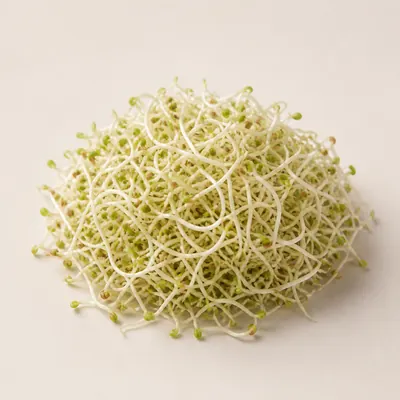
Why doesn't rinsing raw sprouts solve the problem?
The FDA explains that bacteria can be present in or on seeds and multiply while they sprout, even under clean growing conditions. Once bacteria enter a seed, they can be difficult to wash away. FDA therefore advises pregnant people to avoid raw sprouts of any kind, including alfalfa, clover, radish, and mung bean sprouts, and to cook sprouts thoroughly.
Wash produce as usual, but do not treat a rinse, a “locally grown” label, or home growing as a substitute for cooking sprouts.
Can I eat cooked sprouts during pregnancy?
Yes, if they are cooked. Cook sprouts until they are steaming hot before eating. If ordering a sandwich or salad, ask for raw sprouts to be left off; the FDA specifically advises checking these dishes. A quick addition at the end of a stir-fry does not establish that the sprouts reached the CDC's steaming-hot guidance.
The raw alfalfa sprouts and raw mung bean sprouts in PregNut's food database are nutrient entries, not serving recommendations. The boiled mung bean sprouts entry describes a different preparation. A nutrient comparison cannot verify how your own dish was cooked.
Can you eat bean sprouts while pregnant?
Only when they are cooked. The CDC lists raw or undercooked bean sprouts with alfalfa sprouts as riskier choices and names sprouts cooked until steaming hot as the safer choice. Mung bean (moong) sprouts follow the same rule. Bean sprouts added raw to pho, pad thai, or a salad at the table have not been cooked, so ask for them on the side or leave them off.
What if I already ate raw sprouts?
If you are concerned about what you ate, tell your prenatal care team which sprouts you had and when. The CDC says to see a doctor if you are pregnant and develop a fever with other flu-like symptoms. It also advises seeking care for severe food-poisoning symptoms, including bloody diarrhea, repeated vomiting that prevents you from keeping liquids down, or signs of dehydration. Symptoms and timing depend on the germ, so a food's appearance cannot tell you whether it was contaminated.
Can you eat Brussels sprouts while pregnant?
Yes. Brussels sprouts (often misspelled “brussel sprouts”) are a vegetable, not the germinated seeds and beans this guide covers, so the raw-sprout warning does not apply; follow the CDC's general produce advice that washed-then-cooked produce is safest. Our Brussels sprouts guide covers raw versus cooked and how much folate they add.
Sources: CDC safer food choices for pregnant women, CDC food-poisoning symptoms, FDA fruits, vegetables, and juices during pregnancy, and FDA produce safety. This guide is educational and does not replace prenatal care.