Washing Fruits and Vegetables During Pregnancy
How to wash fruits and vegetables in pregnancy: FDA says no soap or produce wash. Pre-washed salad, berries, cut melon and sprouts covered.
To minimize risks, always wash fruits and vegetables thoroughly, peel them when possible and avoid pre-packaged salads that haven’t been properly cleaned.
Northeast Georgia Health System: 10 Foods and Drinks to Avoid for a Safer Pregnancy Journey Read the original source
The short answer: Fresh fruits and vegetables can be part of your pregnancy meals. CDC lists unwashed produce as a riskier choice and washed produce as a safer one; washing and then cooking is safest. A nutrient chart cannot tell you whether a particular item was washed, stored, or prepared safely.
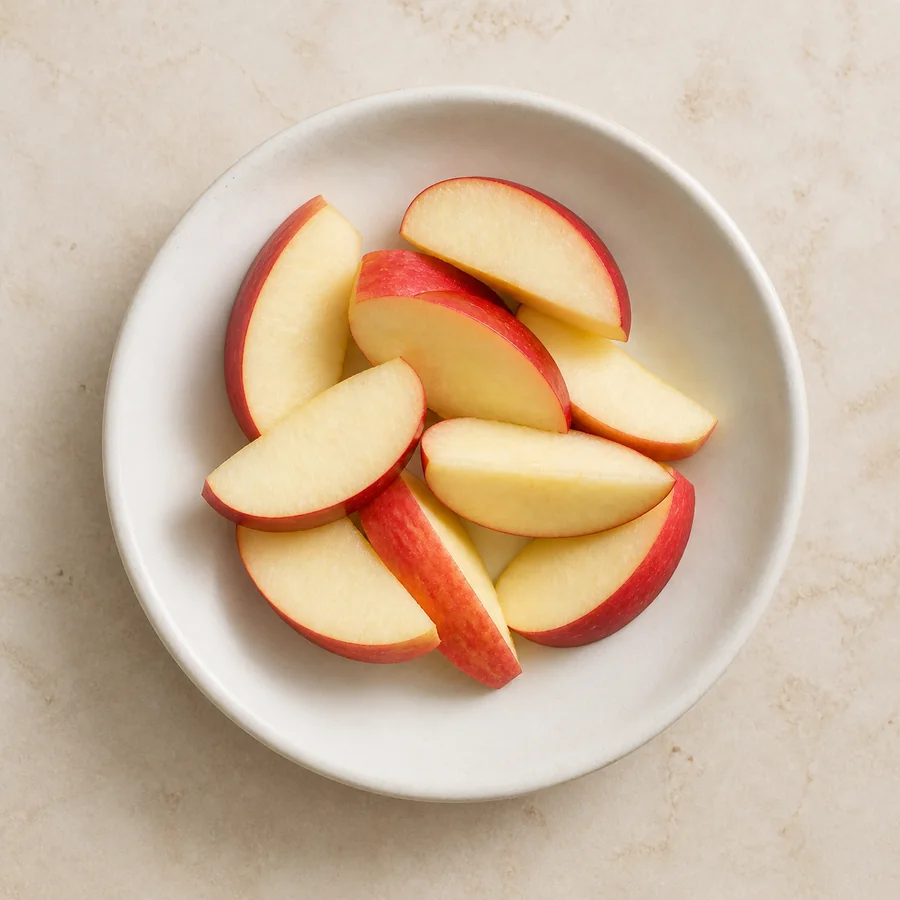
How do I wash vegetables and fruit when pregnant?
These steps follow FDA's produce-handling guide:
- Wash your hands for at least 20 seconds with soap and warm water, and start with a clean work surface.
- Cut away damaged or bruised areas. Throw away produce that looks rotten.
- Rinse under running water before eating or preparing it, including produce you plan to peel. Washing the outside first helps avoid moving surface dirt or bacteria inside when you cut it.
- Scrub firm produce, such as melon or cucumber, with a clean produce brush.
- Dry it with a clean cloth or paper towel.
- Cook it when you can. CDC lists washed produce as a safer choice and washed-then-cooked produce as safest.
Do not wash fruits and vegetables with soap, detergent, bleach, or commercial produce wash. FDA says these products are not recommended for produce. Washing reduces bacteria but does not remove every possible risk; cooking produce thoroughly reduces risk further.
Keep produce you will eat raw separate from raw meat, poultry, and seafood. Wash the cutting board, knife, and counter between those foods and ready-to-eat produce. Refrigerate perishable produce, including berries and leafy greens, at 40°F (4°C) or below, and buy pre-cut produce only when it is refrigerated or on ice. These steps come from FDA's produce-handling guide.
Does a pre-washed salad need another rinse?
If the package says the greens are pre-washed or ready-to-eat, FDA says you can use them without washing again. If you choose to rinse them, keep them away from unclean surfaces and utensils so the extra handling does not introduce contamination. Store packaged or pre-cut produce in the refrigerator and follow the product's storage instructions. See the FDA guidance on pre-washed produce.
What about berries, melon, and cut fruit?
Rinse berries and other fresh fruit under running water before eating or preparing them. Wash a melon's rind and scrub it with a clean produce brush before cutting, even though you do not eat the rind. FDA notes that cutting can carry contamination from the outside to the inside.
CDC's pregnancy food-safety table says cut melon left out for more than 2 hours is a riskier choice; use 1 hour when it is exposed to temperatures above 90°F (32°C). It lists freshly cut melon or cut melon kept refrigerated for 7 or fewer days as safer choices. If storage time or temperature is uncertain, do not use a nutrient chart to make the safety decision.
Are raw sprouts handled the same way?
No. Washing alone does not solve the particular risk from raw seed sprouts. CDC lists cooked sprouts, heated until steaming hot, as the safer choice during pregnancy. Read our raw and cooked sprouts guide for that separate question. For drinks made from produce, see our juice and smoothie pasteurization guide.
PregNut's raw spinach, blueberry, and cantaloupe pages compare nutrients per 100 grams. Their numbers do not establish how the produce was handled or whether eating it raw is appropriate for you.
Common questions
Do I need to wash bagged salad when pregnant?
Not if the bag says pre-washed or ready-to-eat. FDA says you can use those greens without washing them again. Bagged greens that do not carry that statement should be washed like other produce. Buy bagged salad only when it is refrigerated or surrounded by ice.
Do I need to wash fruit I peel, like oranges or avocados?
Yes. FDA advises washing produce even if you do not plan to eat the skin, so dirt and bacteria are not carried from the surface when you peel or cut it.
Related: cantaloupe and cut melon rules.
Sources: CDC safer food choices for pregnant women, FDA selecting and serving produce safely, and FDA fruits, vegetables, and juices during pregnancy. This guide is educational and does not replace prenatal care.