Vitamin B6 Foods During Pregnancy and Morning Sickness
Vitamin B6 for morning sickness: NIH-reported ACOG dose range, food amounts vs treatment, supplement forms, and what your prenatal already supplies.
B6 does tend to help with nausea and vomiting. It’s safe in pregnancy.
Healthful Woman: Nausea and Vomiting in Pregnancy and Hyperemesis Read the original source
The short answer: Fish, potatoes, bananas, and other foods can contribute vitamin B6 to your diet. NIH lists 1.9 mg per day as the recommended amount during pregnancy. That nutrition target is a different question from using a B6 supplement to treat nausea. Eating a B6-containing food has not been shown to replace nausea treatment.
How much B6 is in familiar foods?
PregNut's USDA-based food data reports these amounts per 100 g of the food as named:
| Food | Vitamin B6 per 100 g | What the entry describes |
|---|---|---|
| Cooked sockeye salmon | 0.82 mg | Salmon cooked with dry heat. |
| Boiled potato, flesh | 0.29 mg | Potato cooked in its skin; flesh only in the data. |
| Raw banana | 0.36 mg | Edible banana, without the peel. |
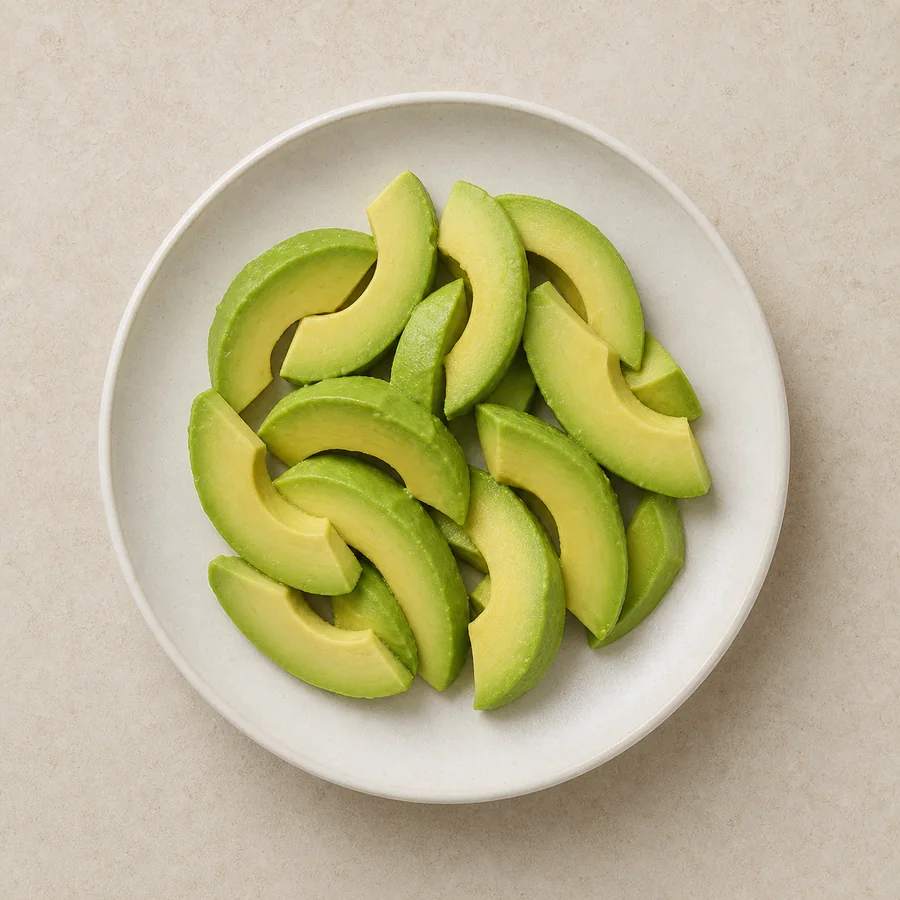
| Raw avocado | 0.25 mg | Edible avocado flesh. |
These are equal-weight comparisons, not serving recommendations. For everyday portions, the NIH food table lists about 0.6 mg in 3 ounces of cooked sockeye salmon, 0.4 mg in 1 cup of boiled potatoes, and 0.4 mg in a medium banana. Actual portions, varieties, and preparation can change the numbers. Vitamin B6 is also one of the nutrients our guide to weeks 9–12 highlights, alongside folate, zinc, and protein. If you eat fish, use our lower-mercury fish guide for serving and safety context.
Does eating B6-rich food treat morning sickness?
Food can help you meet your usual nutrient needs, but the evidence for treating nausea concerns B6 supplements, not a food-based B6 target. ACOG discusses vitamin B6 as an over-the-counter treatment for nausea and vomiting of pregnancy. NIH notes mixed trial results. Neither source shows that eating a banana, potato, or salmon treats nausea.
If nausea makes eating difficult, choose foods you can tolerate. ACOG suggests small, frequent meals and bland foods if they help. If you cannot keep liquids down, feel faint when standing, or have very little dark urine, contact your pregnancy care team rather than trying to solve dehydration with a food ranking.
For a separate option, read what the evidence says about ginger tea and supplements for pregnancy nausea.
Does vitamin B6 help morning sickness?
As a treatment, it can. ACOG describes vitamin B6 as a safe, over-the-counter treatment that may be tried first when diet and lifestyle changes do not help. ACOG adds that doxylamine can be added if B6 alone does not relieve symptoms, and that a prescription combining the two is available. ACOG's patient FAQ does not give a dose, so before taking B6 while pregnant, ask your clinician how much to take and check what your prenatal already supplies; see the dose section below. For food ideas while you feel sick, see what to eat with morning sickness.
What dose of vitamin B6 is used for morning sickness?
The NIH vitamin B6 fact sheet reports that ACOG has recommended 10–25 mg of vitamin B6 three or four times a day to treat nausea and vomiting of pregnancy, with doxylamine added if symptoms do not improve. In two trials NIH describes, 30–75 mg a day reduced nausea. The upper limit is 100 mg a day for adults and 80 mg a day for ages 14–18, and NIH advises consulting a physician first because treatment doses can approach that limit. Your clinician should set the dose, counting the B6 in your prenatal.
What form of B6 is best?
NIH says the most common form in supplements is pyridoxine hydrochloride, some products use pyridoxal 5'-phosphate (PLP), and absorption does not differ substantially among supplement forms. Tablets, capsules, chewables, and liquids are all available. A prescription that combines B6 with doxylamine is also an option, according to ACOG. Food B6 still counts toward your daily total, but it is not the form studied for nausea treatment.
Should I add a B6 supplement?
Check the vitamin B6 amount and serving size on your prenatal's Supplement Facts panel, then discuss any additional B6 or nausea treatment with your clinician. NIH advises consulting a physician before taking B6 for pregnancy nausea because treatment doses can approach intake limits. High supplemental intakes over time can harm nerves; ordinary food amounts have not been reported to cause that problem. Our prenatal label guide can help you check what is already in your product.
Common questions
Is the 1.9 mg daily amount a nausea-treatment dose?
No. It is the recommended dietary allowance during pregnancy, a nutrition reference for usual intake. ACOG's discussion of B6 for nausea concerns treatment. Ask your clinician which approach is appropriate for your symptoms and what your prenatal already supplies.
Is a banana enough B6 for the whole day?
NIH lists about 0.4 mg in a medium banana, part of the 1.9 mg daily pregnancy reference. Other foods and your prenatal may contribute too. A banana is not a stand-alone treatment for nausea.
What is the best vitamin B6 for morning sickness?
There is no single “best” brand. NIH says absorption does not differ substantially among common supplement forms, and pyridoxine hydrochloride is the most common. ACOG discusses B6 as a first over-the-counter option and a prescription B6–doxylamine product when needed. Ask your clinician for a dose that counts the B6 already in your prenatal.
Can I use the food chart to pick a safe fish?
No. Nutrient amount is only one consideration. Check the FDA/EPA fish chart for mercury guidance and CDC's pregnancy food-safety advice for preparation; choose fully cooked fish.
Sources: NIH vitamin B6 fact sheet, ACOG morning sickness FAQ, FDA/EPA fish advice, and CDC safer food choices. This guide is educational and does not replace prenatal care.