Medium-Rare Steak During Pregnancy: Safe Temperatures for Beef
CDC advises steak at 145°F with a 3-minute rest and burgers at 160°F in pregnancy. What that means for medium-rare, medium-well, and restaurant orders.
The short answer: During pregnancy, cook steak to at least 145°F in the thickest part, then let it rest for 3 minutes before cutting or eating. That is the CDC's safer choice for whole cuts of beef, and the CDC lists raw or undercooked meat as a riskier choice. Ground beef, including burgers, needs 160°F.
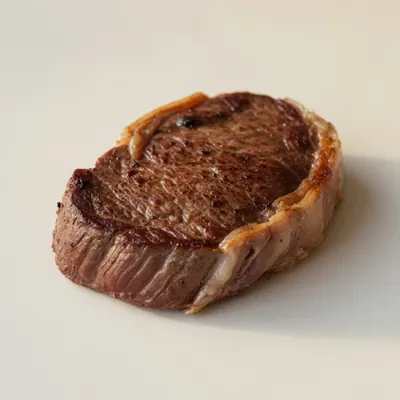
Can you eat steak while pregnant?
Yes. Steak is fine during pregnancy when the thickest part reaches 145°F and then rests for 3 minutes; CDC lists whole cuts of beef cooked that way as a safer choice. The thermometer reading matters more than the name of the doneness level, as the sections below explain.
Why can't pregnant women eat rare or medium-rare steak?
Undercooked meat is one way people get Toxoplasma. The CDC lists eating undercooked, contaminated meat as a foodborne route of toxoplasmosis and names pregnant women among the people who need to be more cautious, because a mother newly infected during or just before pregnancy can pass the infection to her baby. The FDA's pregnancy advice uses the same targets: steaks, roasts, and chops to at least 145°F with a 3-minute rest.
Is medium-rare or medium-well steak OK while pregnant?
"Rare," "medium-rare," and "medium-well" are descriptions, not a temperature reading. The CDC says you cannot tell whether meat is safely cooked by its color or texture. The question to ask is whether the thickest part reached 145°F before resting. If you are cooking at home, use a food thermometer. At a restaurant, ask whether the kitchen can cook it to at least 145°F.
What about burgers and ground beef?
Ground meat has a higher target. The CDC chart lists ground meats, such as beef and pork, cooked to 160°F, and the CDC's toxoplasmosis page notes that ground meat does not need a rest time. A pink-centered burger is not a safety check either way; use a thermometer or ask the restaurant.
Does freezing steak make it safe?
The CDC says freezing meat for several days at 0°F before cooking can greatly reduce the chance of Toxoplasma infection, but it also says freezing does not reliably kill other parasites and that cooking to the recommended temperature is the safest method.
What nutrients does steak provide?
PregNut's historical USDA-based data lists broiled top sirloin at 26.96 g protein, 4.87 mg zinc, 1.73 mg iron, and 102.7 mg choline per 100 g. Grilled rib eye is listed at 23.69 g protein and 5.91 mg zinc. See our iron foods guide for how meat compares with plant iron.
Common questions
What if I ate a medium-rare steak while pregnant?
Tell your prenatal care team, especially if you develop symptoms. The CDC says to see a doctor if you are pregnant and have a fever with other flu-like symptoms.
How bad is medium-rare steak when pregnant?
CDC does not give a risk figure for a single steak. It lists raw or undercooked meat as a riskier choice because undercooked meat can spread Toxoplasma, and a new infection during or just before pregnancy can pass to the baby. Cooking to 145°F with a 3-minute rest is what moves a steak into CDC's safer column.
Can I taste the meat while cooking?
The CDC's toxoplasmosis advice is not to sample meat until it is cooked.
Is steak tartare or carpaccio OK?
No. Both are raw beef, which the CDC lists as a riskier choice during pregnancy.
Sources: CDC safer food choices for pregnant women, CDC about toxoplasmosis, CDC preventing toxoplasmosis, FDA meat, poultry, and seafood safety for moms-to-be, and CDC food-poisoning symptoms. This guide is educational and does not replace prenatal care.