Potato flour
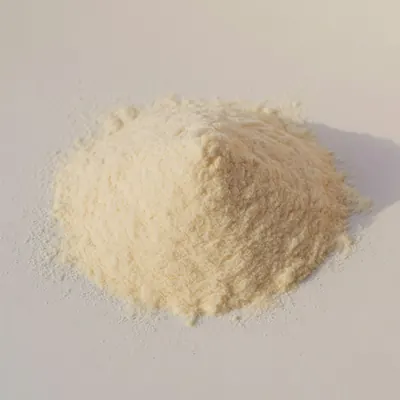
Pregnancy nutrients in 100 g
100 g gives about 40% of daily vitamin B-6, 35% of daily potassium and 10% of daily protein needed in pregnancy.
- Vitamin B-6 0.76 mg
- Potassium 1001 mg
- Protein 6.9 g
- Choline 39.5 mg
- Calcium 65 mg
- Iron 1.38 mg
- Zinc 0.54 mg
- Vitamin C 3.8 mg
- Folate (DFE) 25 mcg
- Riboflavin 0.05 mg
- DHA 0 g
- Vitamin B-12 0 mcg
- Vitamin D 0 IU
Show full nutrient table
| Nutrient | In 100 g | Daily reference |
|---|---|---|
| Calcium | 65 mg | 1000 mg |
| Choline | 39.5 mg | 450 mg |
| DHA | 0 g | 0.3 g |
| Folate (DFE) | 25 mcg | 600 mcg |
| Iron | 1.38 mg | 27 mg |
| Potassium | 1001 mg | 2900 mg |
| Protein | 6.9 g | 70 g |
| Riboflavin | 0.05 mg | 1.4 mg |
| Vitamin B-12 | 0 mcg | 2.6 mcg |
| Vitamin B-6 | 0.76 mg | 1.9 mg |
| Vitamin C | 3.8 mg | 85 mg |
| Vitamin D | 0 IU | 600 IU |
| Zinc | 0.54 mg | 11 mg |
Pregnancy guidance
RecommendedPotato flour is safe and wholesome to use during pregnancy as a culinary cooking ingredient. It provides gluten-free complex carbohydrates, potassium, and dietary fiber that support maternal energy and digestion. Because it is a raw flour milled from dehydrated potatoes, it should always be cooked thoroughly in baked goods, gravies, or pancakes. Use potato flour to thicken hearty vegetable soups or to create nutrient-dense gluten-free baked breads.
How to read this
During pregnancy you need more of certain nutrients each day, like folate, iron and choline. Each bar shows how much of that daily amount 100 g of Potato flour provides. 100% means 100 g alone covers the whole day; smaller numbers show its share. A ✓ marks 100% or more.