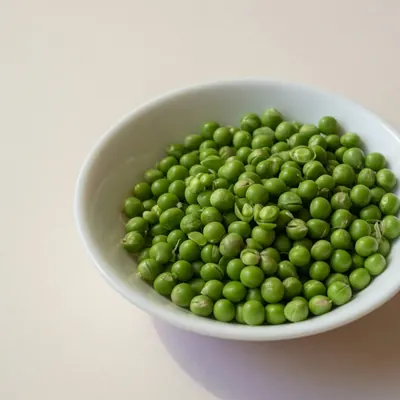
Pigeonpeas, Immature seeds, Raw
Pregnancy nutrients in 100 g
100 g gives about 46% of daily vitamin C, 29% of daily folate and 19% of daily potassium needed in pregnancy.
- Vitamin C 39 mg
- Folate (DFE) 173 mcg
- Potassium 552 mg
- Riboflavin 0.17 mg
- Protein 7.2 g
- Choline 45.8 mg
- Zinc 1.04 mg
- Iron 1.6 mg
- Calcium 42 mg
- Vitamin B-6 0.06 mg
- DHA 0 g
- Vitamin B-12 0 mcg
- Vitamin D 0 IU
Show full nutrient table
| Nutrient | In 100 g | Daily reference |
|---|---|---|
| Calcium | 42 mg | 1000 mg |
| Choline | 45.8 mg | 450 mg |
| DHA | 0 g | 0.3 g |
| Folate (DFE) | 173 mcg | 600 mcg |
| Iron | 1.6 mg | 27 mg |
| Potassium | 552 mg | 2900 mg |
| Protein | 7.2 g | 70 g |
| Riboflavin | 0.17 mg | 1.4 mg |
| Vitamin B-12 | 0 mcg | 2.6 mcg |
| Vitamin B-6 | 0.06 mg | 1.9 mg |
| Vitamin C | 39 mg | 85 mg |
| Vitamin D | 0 IU | 600 IU |
| Zinc | 1.04 mg | 11 mg |
Pregnancy guidance
AvoidRaw immature pigeonpeas should be avoided during pregnancy. Raw legumes contain lectins and antinutrients that can cause severe stomach upset, nausea, and poor nutrient absorption. FDA guidelines emphasize that all legume seeds must be cooked thoroughly to neutralize antinutritional compounds and eliminate soil microbes. Always boil pigeonpeas in water or stews until completely tender before eating.
How to read this
During pregnancy you need more of certain nutrients each day, like folate, iron and choline. Each bar shows how much of that daily amount 100 g of Pigeonpeas, Immature seeds, Raw provides. 100% means 100 g alone covers the whole day; smaller numbers show its share. A ✓ marks 100% or more.