Sea bass
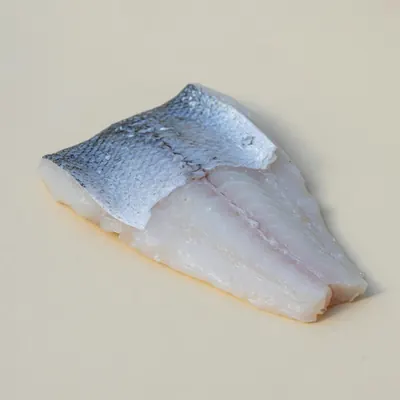
Pregnancy nutrients in 100 g
100 g gives about 143% of daily DHA, 38% of daily vitamin D and 26% of daily protein needed in pregnancy.
- DHA 0.43 g
- Vitamin D 226 IU
- Protein 18.43 g
- Vitamin B-6 0.4 mg
- Choline 60.8 mg
- Vitamin B-12 0.3 mcg
- Potassium 256 mg
- Riboflavin 0.12 mg
- Zinc 0.4 mg
- Iron 0.29 mg
- Calcium 10 mg
- Folate (DFE) 5 mcg
- Vitamin C 0 mg
Show full nutrient table
| Nutrient | In 100 g | Daily reference |
|---|---|---|
| Calcium | 10 mg | 1000 mg |
| Choline | 60.8 mg | 450 mg |
| DHA | 0.43 g | 0.3 g |
| Folate (DFE) | 5 mcg | 600 mcg |
| Iron | 0.29 mg | 27 mg |
| Potassium | 256 mg | 2900 mg |
| Protein | 18.43 g | 70 g |
| Riboflavin | 0.12 mg | 1.4 mg |
| Vitamin B-12 | 0.3 mcg | 2.6 mcg |
| Vitamin B-6 | 0.4 mg | 1.9 mg |
| Vitamin C | 0 mg | 85 mg |
| Vitamin D | 226 IU | 600 IU |
| Zinc | 0.4 mg | 11 mg |
Pregnancy guidance
LimitSea bass is classified by the FDA and EPA as a fish to limit during pregnancy. It offers valuable protein and vitamin D, but species like Chilean sea bass accumulate moderate to high levels of mercury. The FDA advises eating no more than one four-ounce serving per week of Good Choice sea bass, while avoiding other fish that week. Ensure the fillet is thoroughly cooked to 145°F before serving with steamed vegetables.
How to read this
During pregnancy you need more of certain nutrients each day, like folate, iron and choline. Each bar shows how much of that daily amount 100 g of Sea bass provides. 100% means 100 g alone covers the whole day; smaller numbers show its share. A ✓ marks 100% or more.