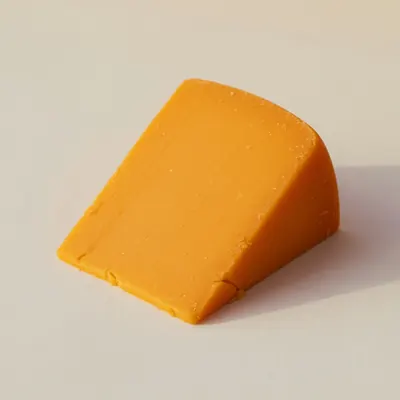
Cheese, Cheddar
Pregnancy nutrients in 100 g
100 g gives about 71% of daily calcium, 42% of daily vitamin B-12 and 33% of daily zinc needed in pregnancy.
- Calcium 710 mg
- Vitamin B-12 1.1 mcg
- Zinc 3.64 mg
- Protein 22.87 g
- Riboflavin 0.42 mg
- Folate (DFE) 27 mcg
- Vitamin D 24 IU
- Choline 16.5 mg
- Vitamin B-6 0.06 mg
- Potassium 76 mg
- Iron 0.14 mg
- DHA 0 g
- Vitamin C 0 mg
Show full nutrient table
| Nutrient | In 100 g | Daily reference |
|---|---|---|
| Calcium | 710 mg | 1000 mg |
| Choline | 16.5 mg | 450 mg |
| DHA | 0 g | 0.3 g |
| Folate (DFE) | 27 mcg | 600 mcg |
| Iron | 0.14 mg | 27 mg |
| Potassium | 76 mg | 2900 mg |
| Protein | 22.87 g | 70 g |
| Riboflavin | 0.42 mg | 1.4 mg |
| Vitamin B-12 | 1.1 mcg | 2.6 mcg |
| Vitamin B-6 | 0.06 mg | 1.9 mg |
| Vitamin C | 0 mg | 85 mg |
| Vitamin D | 24 IU | 600 IU |
| Zinc | 3.64 mg | 11 mg |
Pregnancy guidance
RecommendedCheddar cheese is recommended during pregnancy as an exceptional source of dietary calcium and protein. Hard cheeses have very low moisture content, making it virtually impossible for Listeria bacteria to survive or multiply. The FDA and NHS confirm that hard cheeses like cheddar are safe to eat cold during pregnancy. Slice cheddar onto whole-wheat crackers or melt it over steamed vegetables for a nutrient-dense snack.
Sources: FDA Food Safety for Moms-to-Be · NHS Foods to Avoid in Pregnancy
How to read this
During pregnancy you need more of certain nutrients each day, like folate, iron and choline. Each bar shows how much of that daily amount 100 g of Cheese, Cheddar provides. 100% means 100 g alone covers the whole day; smaller numbers show its share. A ✓ marks 100% or more.