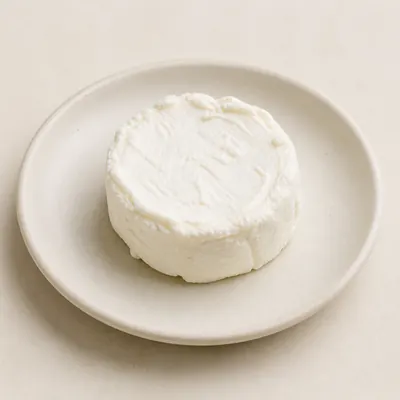
Cheese, Goat, Soft type
Pregnancy nutrients in 100 g
100 g gives about 27% of daily riboflavin, 26% of daily protein and 14% of daily calcium needed in pregnancy.
- Riboflavin 0.38 mg
- Protein 18.52 g
- Calcium 140 mg
- Vitamin B-6 0.25 mg
- Zinc 0.92 mg
- Vitamin B-12 0.19 mcg
- Iron 1.9 mg
- Choline 15.4 mg
- Vitamin D 15 IU
- Folate (DFE) 12 mcg
- Potassium 26 mg
- DHA 0 g
- Vitamin C 0 mg
Show full nutrient table
| Nutrient | In 100 g | Daily reference |
|---|---|---|
| Calcium | 140 mg | 1000 mg |
| Choline | 15.4 mg | 450 mg |
| DHA | 0 g | 0.3 g |
| Folate (DFE) | 12 mcg | 600 mcg |
| Iron | 1.9 mg | 27 mg |
| Potassium | 26 mg | 2900 mg |
| Protein | 18.52 g | 70 g |
| Riboflavin | 0.38 mg | 1.4 mg |
| Vitamin B-12 | 0.19 mcg | 2.6 mcg |
| Vitamin B-6 | 0.25 mg | 1.9 mg |
| Vitamin C | 0 mg | 85 mg |
| Vitamin D | 15 IU | 600 IU |
| Zinc | 0.92 mg | 11 mg |
Pregnancy guidance
Safe with precautionsSoft goat cheese (chèvre) is safe with precautions during pregnancy only when made from pasteurized milk. It delivers riboflavin and dairy protein, but unpasteurized soft goat cheese carries a significant risk of foodborne Listeria. The FDA and CDC caution against eating soft goat cheeses unless pasteurization is verified on the packaging. To ensure complete safety, bake soft goat cheese until bubbling hot before eating.
Sources: FDA Food Safety for Moms-to-Be · CDC Food Safety
How to read this
During pregnancy you need more of certain nutrients each day, like folate, iron and choline. Each bar shows how much of that daily amount 100 g of Cheese, Goat, Soft type provides. 100% means 100 g alone covers the whole day; smaller numbers show its share. A ✓ marks 100% or more.