Carob flour
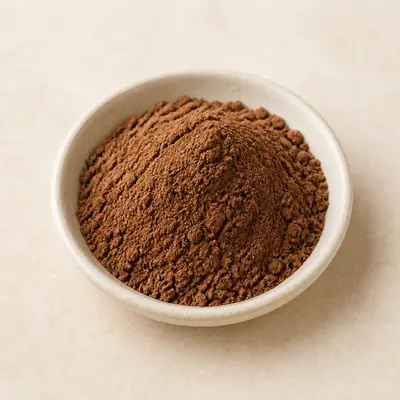
Pregnancy nutrients in 100 g
100 g gives about 35% of daily calcium, 33% of daily riboflavin and 29% of daily potassium needed in pregnancy.
- Calcium 348 mg
- Riboflavin 0.46 mg
- Potassium 827 mg
- Vitamin B-6 0.36 mg
- Iron 2.94 mg
- Zinc 0.92 mg
- Protein 4.62 g
- Folate (DFE) 29 mcg
- Choline 11.9 mg
- Vitamin C 0.2 mg
- DHA 0 g
- Vitamin B-12 0 mcg
- Vitamin D 0 IU
Show full nutrient table
| Nutrient | In 100 g | Daily reference |
|---|---|---|
| Calcium | 348 mg | 1000 mg |
| Choline | 11.9 mg | 450 mg |
| DHA | 0 g | 0.3 g |
| Folate (DFE) | 29 mcg | 600 mcg |
| Iron | 2.94 mg | 27 mg |
| Potassium | 827 mg | 2900 mg |
| Protein | 4.62 g | 70 g |
| Riboflavin | 0.46 mg | 1.4 mg |
| Vitamin B-12 | 0 mcg | 2.6 mcg |
| Vitamin B-6 | 0.36 mg | 1.9 mg |
| Vitamin C | 0.2 mg | 85 mg |
| Vitamin D | 0 IU | 600 IU |
| Zinc | 0.92 mg | 11 mg |
Pregnancy guidance
RecommendedCarob flour is recommended during pregnancy as a naturally caffeine-free cocoa substitute. It is rich in dietary calcium, potassium, and soluble fiber, which support fetal bone formation without caffeine stimulation. The USDA highlights carob as a wholesome baking ingredient for desserts and breakfast drinks. Use carob powder in place of cocoa powder when baking prenatal muffins or blending smoothies.
How to read this
During pregnancy you need more of certain nutrients each day, like folate, iron and choline. Each bar shows how much of that daily amount 100 g of Carob flour provides. 100% means 100 g alone covers the whole day; smaller numbers show its share. A ✓ marks 100% or more.